Region of Zargta
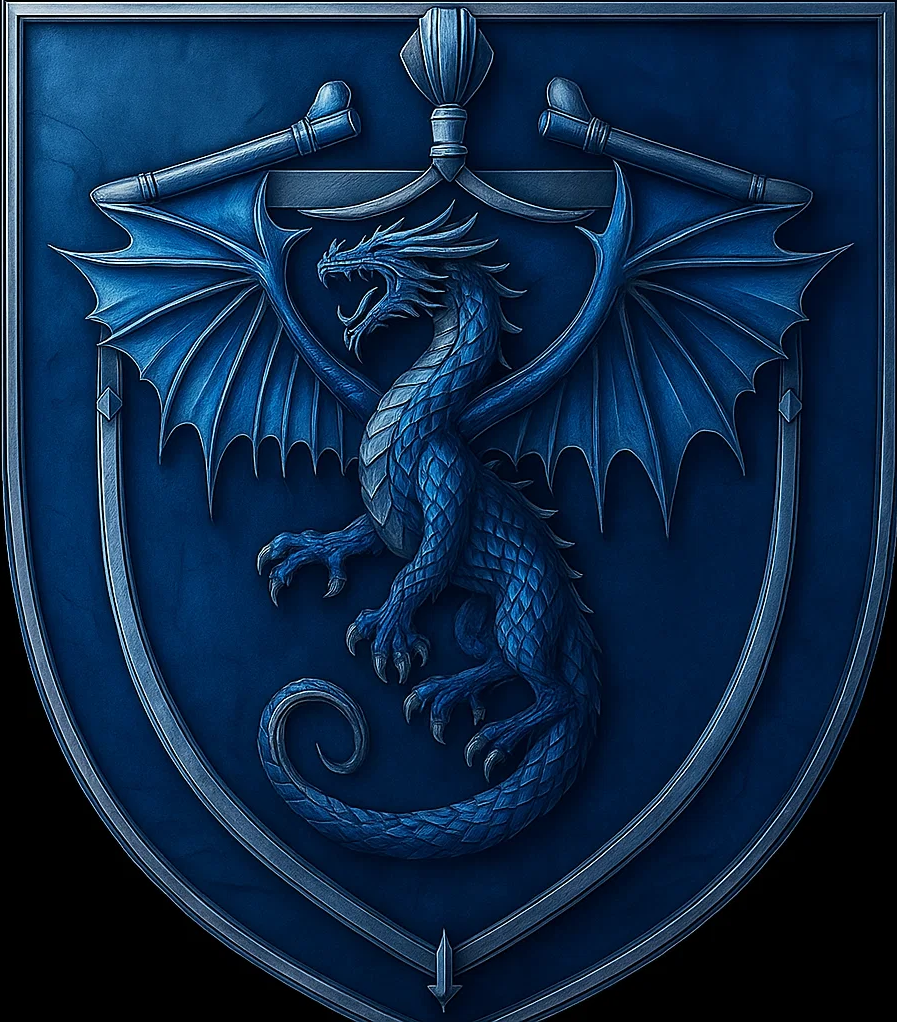
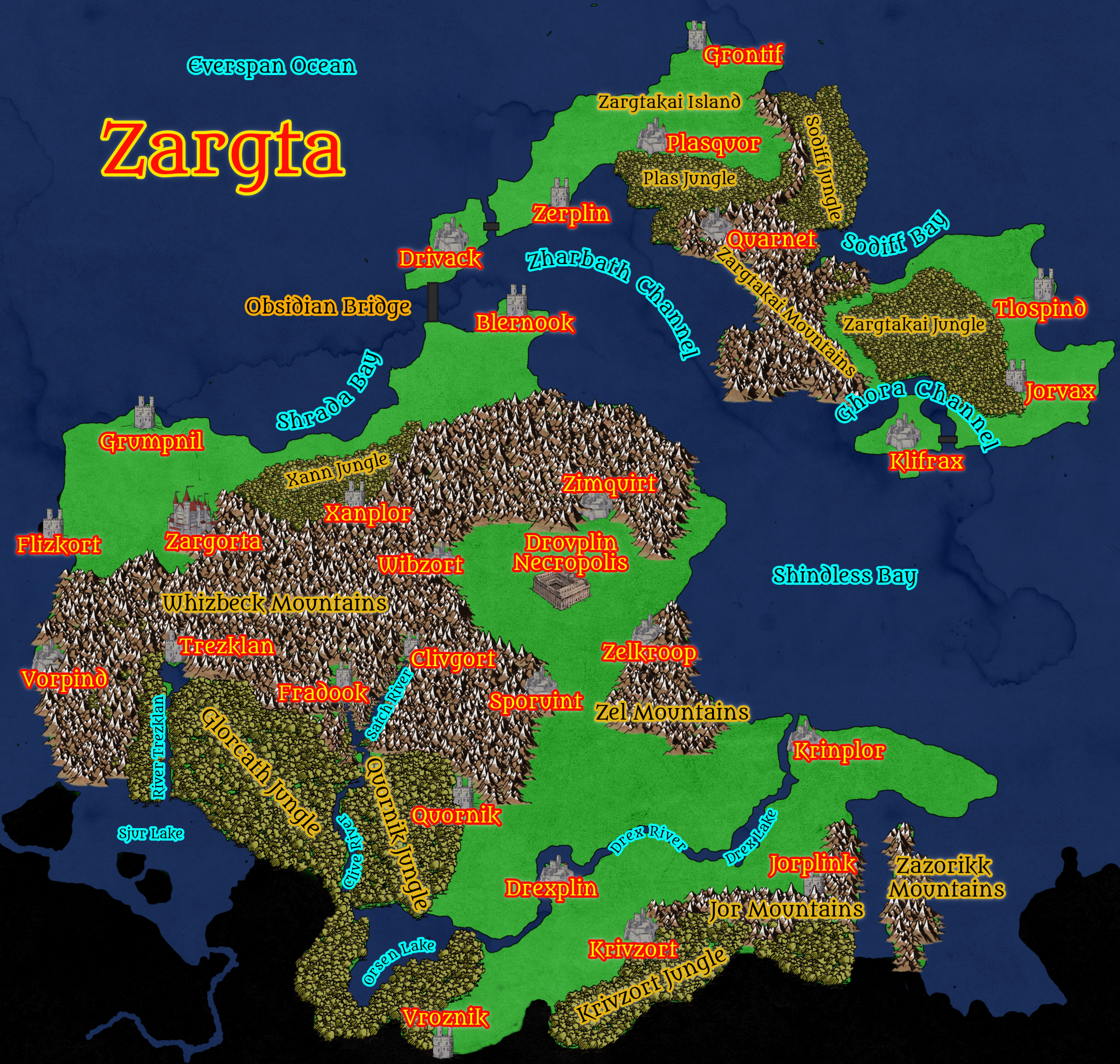
The Region of Zargta:
In the far reaches of the Kingdom of Drak'Thul lies Zargta, a land forged in fire and tempered by stone. It is a region of extremes, volcanic fury, obsidian cliffs, and endless plains of ash and molten rock. Zargta is not merely a territory; it is the beating heart of Drak'Thul's military might and industrial strength, a place where the land itself seems to breathe heat and power.
The Hammerborn Clan, native to Zargta, rose to prominence through their unmatched skill in weapon crafting. Their forges, powered by lava flows and volcanic vents, produced weapons so potent they were said to carry the essence of fire itself. These weapons became the backbone of Drak'Thul's armies, and the Hammerborn became legends.
But Zargta's story begins long before the rise of the Drak'Thullan. Beneath its scorched surface lie the ruins of Kharaz'Drak, an ancient dwarven kingdom lost to time. The dwarves, master craftsmen and wielders of elemental magic, once ruled these lands. Their fall, shrouded in mystery and tragedy, left behind relics, magical artifacts, and forgotten forges buried deep within the volcanic mountains. The Obsidian Bridge, a colossal span of shimmering black stone, still stands as a testament to their ingenuity. It connects the volcanic island of Zargtaki to the mainland, serving both as a strategic military route and a sacred path for pilgrims seeking the fire gods.
The Drak'Thullan, though they forged their empire from the ashes of destruction, never forgot the legacy of the dwarves. They revered their craftsmanship and feared their fate. The fall of Kharaz'Drak became a cautionary tale, a warning against unchecked ambition and the seductive power of elemental magic. Many of Zargta's clans, especially the Fireclaw, Ashenfang, and Stonefire, drew inspiration from the dwarves' reverence for fire and stone. The Stonefire Clan, in particular, took on the role of stewards of the volcanic landscape, ensuring that the land's destructive power would never again consume its people.
Legends persist that deep beneath the mountains, the Demon of the Deep still slumbers, waiting for the right moment to rise. Others whisper of a dwarven artifact, capable of controlling the elements or undoing the cataclysm that shattered their empire. Adventurers and treasure hunters continue to brave the obsidian caverns, drawn by the promise of power and the haunting echoes of a lost civilization.
Zargta is a land of both danger and promise. Its volcanic island is a realm of extremes, where towering mountains spew ash into the sky and obsidian caverns shimmer with hidden magic. The Temples of Flame, built from molten stone and obsidian, dot the cliffs and ridges. These ancient sanctuaries are dedicated to deities like Moranthus, the Platinum Flame, and serve as places of worship, prophecy, and spiritual trials. The fires within these temples are said to purge the weak and bless the strong, shaping warriors into champions.
The people of Zargta are as formidable as the land they inhabit. Draconians born here are raised in a warrior society, trained from youth in combat, blacksmithing, and survival. Their culture is steeped in strength and honor, and their faith in the fire gods is both spiritual and practical. Temples are not just places of worship, they are centers of power, where the flames guide the people and test their resolve. To survive Zargta's trials is to be favored by the gods.
Zargta's capital, Zargota, is a fortress-city carved into the volcanic cliffs. Its obsidian walls rise like jagged teeth, and at its center stands the Black Citadel, seat of power and command. Here, war councils gather, weapons are forged, and warriors are trained in the sacred arts of fire and battle. The city is a labyrinth of stone and steel, a place where the pulse of the kingdom beats strongest.
Beneath the island lies a vast network of obsidian caverns, rich with magical ores and primal energy. These caverns are perilous, filled with traps, magical creatures, and the remnants of ancient dwarven magic. Only the bravest dare to explore their depths, seeking lost artifacts and forgotten knowledge.
Among Zargta's most revered warriors are the Flame-Touched Guardians. These elite fighters undergo intense trials in the Temples of Flame, emerging blessed by the fire gods. Their strength, resilience, and mastery of fire magic make them both protectors of Zargta and enforcers of its sacred codes.
Strategically, Zargta is indispensable. Its natural defenses, elite warriors, and control over trade and military routes make it nearly impenetrable. The Obsidian Bridge ensures vital connectivity to the mainland, while the volcanic terrain provides a formidable barrier against invaders. Positioned at the edge of the kingdom, Zargta also serves as a gatekeeper, controlling trade routes and defending against threats from the west.
The population of Zargta is overwhelmingly composed of the Viraem, a dominant Draconian subtype known for their strength and resilience. Other subtypes exist in smaller numbers, each contributing to the region's diversity and complexity.
Zargta's society is organized into powerful clans, each shaped by the land and its elemental forces. The Elemental Clans, Fireclaw, Ashenfang, and Stonefire, wield fire, lava, and stone as both weapons and spiritual tools. The Fireclaw Clan, masters of fire sorcery, are revered as shamans and conduits of divine flame. The Hammerborn Clan, unmatched in lava-forging, craft weapons that embody the fury of the volcanoes. The Stonefire Clan, guardians of the land, control eruptions and shape the terrain to protect their people.
Defensive Clans like Rockfang and Ironspire ensure Zargta's borders remain secure. Rockfang warriors are elite combatants, skilled in siege tactics and stone-based warfare. Ironspire architects build fortresses and command military operations, fortifying the kingdom against all threats.
Survival and Resource Clans such as Cinderscale and Obsidianfang thrive in the harsh volcanic climate. Cinderscale survivalists navigate ash storms and lava flows, while Obsidianfang miners extract precious metals and magical ores from the depths of the earth.
Prestigious and Political Clans like Moltenrune and Lavascale hold sway over Zargta's governance and traditions. Moltenrune diplomats serve on ruling councils, wielding molten magic and political acumen. Lavascale historians preserve ancient texts and sacred knowledge, ensuring the legacy of Zargta endures.
Nomadic and Trade Clans such as Emberlash and Scorchwing traverse the dangerous terrain, maintaining trade routes and connecting Zargta to the wider world. Emberlash caravans carry exotic goods across the volcanic wastes, while Scorchwing aerial navigators use flying beasts to scout, transport, and trade.
Across Zargta, cities and settlements reflect the region's harsh beauty and strategic importance. Zargota stands at the center, a beacon of strength and command. Grontif and Quarnet guard the northern reaches, while Plasquor and Flizkort mine the land's riches. Zerplin and Drivack support trade and military logistics, and Thospind, Klifrax, and Jorvax serve as border outposts and spiritual sanctuaries. Grumpril, Vorpind, and Trezklan defend volcanic passes and harness geothermal energy. Fradook and Wibzort forge weapons and armor, while Clivgort and Xanplor train warriors and preserve ancient rites. Zimquirt crafts magical artifacts, Drovplin manages trade logistics, and Zelkroop and Krinplor oversee coastal navigation and spiritual ceremonies.
Zargta is a land of fire and stone, of ancient ruins and living flame. It is a place where the past and present intertwine, where the legacy of the dwarves lingers beneath the surface, and where the Drak'Thullan forge their future in the crucible of volcanic power. It is the furnace that tempers the soul of the kingdom, a region of pride, strength, and unwavering resolve.
Geography and Natural Features
- Obsidian Bridge: The Obsidian Bridge is the most iconic feature of Zargta, a massive, natural stone structure that spans the chasm between the mainland and the Island of Zargtakai. This volcanic bridge is made of dark, glossy obsidian, and its surface seems to shimmer with the heat of the earth beneath. It is a marvel of nature and a sacred landmark, said to be the creation of ancient fire gods. The bridge is not only a crucial military pathway but also a spiritual journey, with pilgrims walking its length to reach the island's holy sites.
- The Volcanic Island Zargtakai: The island of Zargtakai is a land of extremes. Towering volcanic mountains rise high above the landscape, their peaks perpetually shrouded in smoke and ash. The island is rich in obsidian caverns, where the earth's natural power has sculpted shimmering walls of black stone. These caverns are rumored to house hidden treasures, ancient dwarven relics, long-forgotten magics, and even the remains of primordial dragons that once roamed the world. The island is also a military stronghold, its rugged terrain providing a nearly impenetrable defense against invaders.
- The Temples of Flame: Scattered across the jagged cliffs and the volcanic ridges are the Temples of Flame, ancient structures dedicated to the worship of the fire gods. These temples are built from obsidian and molten stone, with altars to Moranthus, the Platinum Flame, and other deities of fire and destruction. The priests and shamans who dwell here perform rituals of both blessing and prophecy, invoking the power of fire to guide the people of Zargta. It is said that the fires of these temples have the power to both purge and cleanse, shaping the spirits of warriors who seek to prove themselves worthy.
The People of Zargta
The inhabitants of Zargta are known for their resilience, a reflection of the harshness of their homeland. These Draconians are forged in the crucible of fire and stone, their lives intertwined with the volcanic fury of the land. Zargta's people are a proud and warrior-centric society, tempered by their environment and united by their shared devotion to the flame gods and the ideals of strength and honor.
- Warrior Society: Zargta is a place where strength is both valued and demanded. From an early age, Draconians here are trained in the arts of combat, blacksmithing, and craftsmanship. The land's volcanic nature is reflected in their unyielding willpower and their unrelenting combat styles. Many of the Kingdom's elite warriors hail from Zargta, including Drake-Riders and the fearsome Flame-Touched Guardians.
- Spiritual Resilience: Spirituality in Zargta is a blend of rituals and pragmatism. The people are deeply devoted to the fire gods, and their faith is both theocratic and functional. Temples and shrines to the gods are not merely places of worshi, they are centers of power, where the people come to draw strength and guidance from the flames. It is common for Zargtans to believe that the fire gods test their endurance and resilience, those who survive the fiery trials of the land are considered blessed and favored by the gods.
Key Features of Zargta
- The War Forges: Zargta is renowned for its great forges, where the finest weapons and armor in Drak'Thul are crafted. The forges of Zargta are powered by lava flows and volcanic vents, allowing the blacksmiths to create some of the most unbreakable and blessed materials in the Kingdom. Weapons crafted here are said to be imbued with fire magic, making them more potent in battle.
- Zargota, The Fortress-City: Zargota, the capital of Zargta, is a fortress-city built into the volcanic cliffs of the island. The city is a labyrinth of stone and steel, with high walls of obsidian and a stronghold at its center known as the Black Citadel. The citadel serves as the seat of power for Zargta's rulers, and its war councils dictate the military strategies of the region. The city is known for its warrior schools, where Draconians are trained in the ways of combat and the ways of fire.
- Obsidian Caverns: Beneath the island lies a network of obsidian caverns, rich with magical ores and primal power. These caverns are dangerous, and only the bravest or most skilled adventurers dare to explore their depths. Inside, there are rumors of hidden treasures, ancient artifacts, and the lost secrets of the Dwarven Kingdom. The caverns are also home to magical creatures and traps, remnants of the ancient magics that once shaped the land.
- The Flame-Touched Guardian Orders: Zargta is the birthplace of the Flame-Touched Guardians, an elite group of warriors who have undergone intense spiritual and physical trials in the Temples of Flame. These warriors are said to have been blessed by the fire gods themselves, gaining enhanced strength, resilience, and mastery over fire-based magic. They serve as both protectors of Zargta and enforcers of its religious and military codes.
Population of Zargta:
Total: 1,425,000
- Bozak: 0.66%: 9,405
- Aurak: 0.60%: 8,550
- Sivak: 0.40%: 5,700
- Marun: 0.44%: 6,270
- Maugh: 0.35%: 5,000
- Kapak: 0.39%: 5,557
- Kobaaz: 0.34%: 4,845
- Ferak: 0.30%: 4,275
- Adamaaz: 0.20%: 2,850
- Baaz: 0.22%: 3,135
- Bahor: 0.21%: 2,985
- Turak: 0.17%: 2,422
- Uxin: 0.15%: 2,137
- Sesk: 0.10%: 1,425
- Tragg: 0.12%: 1,710
- Viraem: 95.37%: 1,358,524
Cities:
- Zargorta, Capital of Zargta: As the capital, Zargota is the political, military, and industrial hub of Zargta. It is the fortress-city where weapons are forged, warriors are trained, and strategic decisions are made.
- Grontif: A military outpost city serving as a watchpost on the edge of the region. Its location offera a vantage point over the mountain ranges or open plains, making it a key defensive position in Zargta's defenses.
- Plasquor: This city serves as an important manufacturing center, especially considering the region's volcanic and mineral-rich landscape. Plasquor is integral in harvesting resources like obsidian, mithril, and other ores.
- Zerplin: The city is a trade hub and manufacturing center, supplying Zargota with goods.
- Drivack: Given its proximity to the Obsidian Bridge, Drivack plays a role as a military city, housing barracks, warrior training grounds, and forges dedicated to crafting weapons for the kingdom. It is also a defensive position along the trade routes.
- Quarnet: A strategic fortress positioned for military control over the northern mountains of Zargtakai. It is a gateway city that controls access to the mountainous paths and volcanic ridges in the region.
- Thospind: As a port city, Thospind is tasked with defending against external threats and acts as a military staging ground for any Naval incursions into neighboring lands.
- Klifrax: A small but significant town, known for its magical practices due to its isolated location. It has close ties to Krinplor for resource trade and strategic defense.
- Jorvax: A sacred site, Jorvax is a place of spiritual importance, connected to the Temples of Flame and is a site of fire worship. It is also a gateway into the untamed Jungle of of Zargtakai.
- Grumpril: A port city, guarding one of the key plains areas and trade routes that pass through Zargta. The city's role is also that of a shipping hub.
- Flizkort: A resource-rich city, Flizkort is focused on Agriculture and Fishing as well as crafting from the volcanic environment, including the mining of obsidian, mithril, and other precious materials.
- Vorpind: A defensive and manufacturing city built around an Ancient Dwarven forge city and home of the Hammerborn Clan.
- Trezklan: Focused on the geothermal energy and resource extraction from the volcanic Mountains, Trezklan serves as a training ground for Elementalist, Warriors and Artisans.
- Fradook: A trade and crafting hub, where metal and fire-forged tools are produced in bulk. The city has a strong connection with Zargota for weapon trade.
- Clivgort: A Mountain River town built behind a massive waterfall. It is focused on defensive architecture and military training.
- Wibzort: A trading post and blacksmith town focused on weapon forging and armor crafting. Wibzort provides materials to the region for their war efforts.
- Xanplor: Xanplor is a highland city, serving as a fortress and is spiritual site, dedicated to preserving ancient practices of fire magic.
- Zimquirt: A research and artistic center, Zimquirt is involved in creating magical artifacts and breeding creatures to work with fire and volcanic materials.
- Drovplin: Drovplin is a settlement focused on strategic trade and military logistics.
- Zelkroop: Zelkroop is a mountain city, acting as a trade hub for Zargta's resources to be exported to other regions.
- Krinplor: Krinplor is a coastal outpost, overseeing navigation routes and trade with other coastal regions, as well as spiritual rites tied to fire gods and ocean storms.
- Plivgron: A military outpost strategically located near volcanic craters. It serves as a key defense point and watchtower, safeguarding the land from invaders and overseeing the surrounding territories.
- Blernook: A coastal settlement at the edge of the volcanic region, Sporvint is a trading hub where volcanic materials and rare gems are exported. Its port is protected by natural rock formations.
- Sporvint: A small mining town, Blernook is famous for its obsidian quarries and sulfur deposits. The locals are known for their craftsmanship in shaping volcanic stones and metals.
- Quornik: Quornik is a spiritual center, home to several Temples of Flame dedicated to fire gods. Pilgrims travel here to receive blessings and partake in fiery trials to prove their worth.
- Trobzil: A forge town nestled in volcanic fields. Trobzil is where the finest weapons and armor are crafted, powered by the region's intense geothermal activity.
- Vorznik: Vorznik is an ancient citadel that has long served as a military stronghold. It oversees the region's borders and protects Zargta from threats beyond the volcanic terrain.
- Klivzort: A remote settlement, Klivzort is a quiet, strategic location used for monitoring volcanic eruptions. It is a place of research, where scholars study the region's elemental forces.
- Drexplin: Drexplin is a rivertown. It's a rugged outpost where military and trade routes intersect, often used as a rest stop for travelers.