Kingdom of Easquilyae
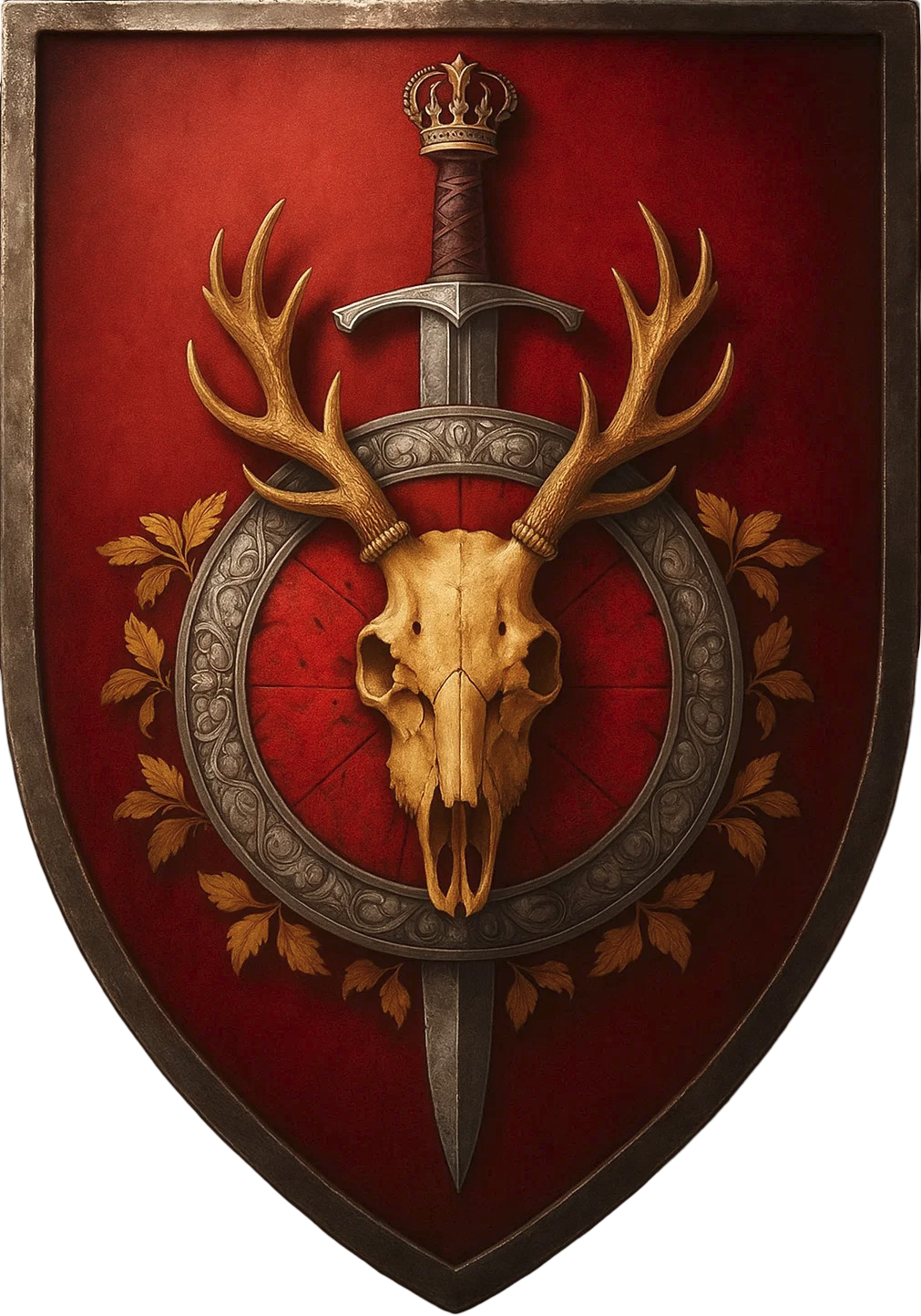
 History of EasquilyaeEasquilyae's history begins with the first settlers arriving from the mainland, drawn by tales of vast forests and rugged landscapes rich in natural resources. The island's highlands were initially believed to be uninhabitable, too remote and too harsh for any large settlement to thrive. However, early explorers, driven by an innate resilience, sought to conquer the northern wilderness. The first humans who came to Easquilyae were mostly fishermen and traders, navigating the fierce waters of the White Strait. They quickly established small coastal settlements, relying heavily on trade with other islands and the mainland. Over time, these early settlers began to adapt to the land, creating fortified homes and communities built to withstand the brutal winters and constant threat of natural disasters. As the centuries passed, the settlers formed tribes and clans, each rooted in one of the four cardinal elements: wind, fire, stone, and water. These clans grew into independent city-states, with their own traditions, leadership, and goals. By the time the first great storm sent waves crashing down on the coastlines of Easquilyae, the people had already started to come together for mutual defense. The High Council of Elders, consisting of leaders from the various clans, was formed to negotiate treaties, settle disputes, and lead in times of war. This council eventually became the de facto ruling body of Easquilyae. The Founding of StokkseyreStokkseyre, the capital of Easquilyae, was founded during a particularly harsh winter, when the islanders were facing the dual threat of starvation and external invaders. The city was built at the mouth of the White Strait, taking advantage of both its strategic location for trade and its defensible position on stone-rich ground. The city's A-frame architecture was designed not only to endure the heavy snowfalls but also to honor the ancestral gods of the island. It quickly became a central hub for governance, trade, and religious practices. The Hall of Riverlight, a massive timber structure, became the heart of the island's political and spiritual life. The Iceborn WarsThe most pivotal moment in Easquilyae's history occurred with the arrival of the Iceborn Orks from the far north. These brutal raiders, clad in bone armor and sailing ships made from frostwood, began their invasion of Easquilyae centuries ago. At first, the Iceborn raiders were few, their raids sporadic. However, they gradually grew in strength, pushing down the White Strait and attacking the coastal cities, pillaging and burning settlements as they went. The island's warriors, known for their resilience and mastery of the terrain, fought back fiercely, but the Iceborn Orks were a relentless enemy. The most catastrophic event was the Fall of Edderfell. Once a thriving riverside city, Edderfell was sacked in one of the most brutal sieges the island had ever seen. The Iceborn Orks destroyed the city and massacred its people, leaving only blackened ruins as a reminder of their strength. Edderfell's fall haunted Easquilyae for centuries, and its ruins are still considered cursed. After the fall of Edderfell, Easquilyae's warriors redoubled their efforts. Stokkseyre became a rallying point for the remaining forces, and the High Council passed strict laws mandating constant vigilance. The island's defenders began using signal fires, trained hawks, and weather magic to watch for incoming raids, allowing them to respond more swiftly. The Golden Age of StokkseyreDespite the frequent threats of invasion, Easquilyae entered a period of prosperity after the Iceborn wars. The defenses around Stokkseyre and the fortified coastal cities were strengthened, and trade began to flourish again. The people of Easquilyae, bolstered by their unity and resilience, rebuilt what had been lost and expanded their borders inland, establishing settlements along key rivers and roads. The rise of craft industries, particularly shipbuilding, metalworking, and textile production, allowed Easquilyae to grow economically. The island's isolation and harsh environment meant that the people relied heavily on each other, and trade was often limited to goods that could withstand the island's rugged conditions. During this period, the influence of the Fae, who had been living on the island since its earliest days, became more pronounced. These ethereal beings, often invisible to the human eye, guided the people in the ways of nature and magic. The Fae were considered protectors of the land, spirits of wind, stone, fire, and water who ensured the island's balance. The Threat of the Iceborn Orks ReemergesThough the people of Easquilyae had enjoyed a period of peace, the Iceborn Orks never fully gave up on their conquest. In recent decades, new raids have begun, though nothing as devastating as the Fall of Edderfell. The islanders, now more skilled in combat and better fortified, continue to defend their homeland with courage and determination. In addition to the Iceborn threat, there have been whispers of strange occurrences along the White Strait. The waterway, once seen as a lifeline, now carries rumors of eerie, unnatural occurrences. Some say the White Strait itself has a soul, a vast and ancient will that judges those who use its waters. These strange events have only heightened the sense of mystery and danger surrounding the island. Modern EraIn the current era, Easquilyae remains a land of harsh beauty, where its people continue to fight for survival against external threats and internal challenges. While its coastal cities are mostly fortified, many of its interior settlements remain vulnerable, relying on the strength and determination of the island's residents to survive. The capital, Stokkseyre, continues to be the political and spiritual center, but there is growing tension among the clans, as each vies for greater influence in the High Council. Despite this, the islanders maintain their resilience, honoring the memory of those who fell during the Iceborn Wars and drawing strength from their ancient connection to the land. Easquilyae's future remains uncertain, with the threat of external raiders always looming, but the island's history of survival and unity ensures that its people will stand strong, regardless of what challenges lie ahead. Geography and SettlementsLocated along the northern edge of the Laridian continent, Easquilyae is a large, rugged island known for its bitter winters, towering forests, and unyielding people. The island is about three-quarters covered in dense, old-growth forests, with rocky highlands, windswept plains, and cleared zones around key roads and cities. Key Features:
Culture & SocietyThe people of Easquilyae are proud, reserved, and deeply bound to the spirits of wind, fire, stone, and water. Their society is divided into clans and bloodlines, but all swear fealty to the High Council in Stokkseyre. They worship the Aesir gods and believe that the White Strait has a soul that judges all who use its waters. Key Cultural Features:
Population Breakdown - EasquilyaeTotal Population: 1,000,000
Fae Population (Not Counted in Official Numbers): The Fae population in Easquilyae is not officially counted within the total population, but it is estimated that there are between 1.5 and 2 million Fae living across the island. These mystical beings are deeply connected to the land and its forces of nature. They are often invisible to the human and halfling populations unless they wish to be seen. Their presence is believed to influence many aspects of daily life, from the weather to the health of the crops and the safety of the people.
Key SettlementsCapital: StokkseyreLocated at the southern end of the White Strait, Stokkseyre is the capital and most fortified city of Easquilyae. Its buildings are constructed in the island's traditional A-frame architectural style, reinforced with stone to endure harsh winds and heavy snowfall. Fortified Coastal Cities:
|