The Kingdom of Fessel
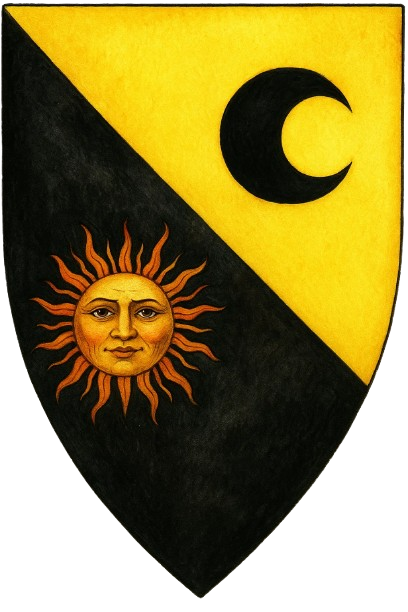
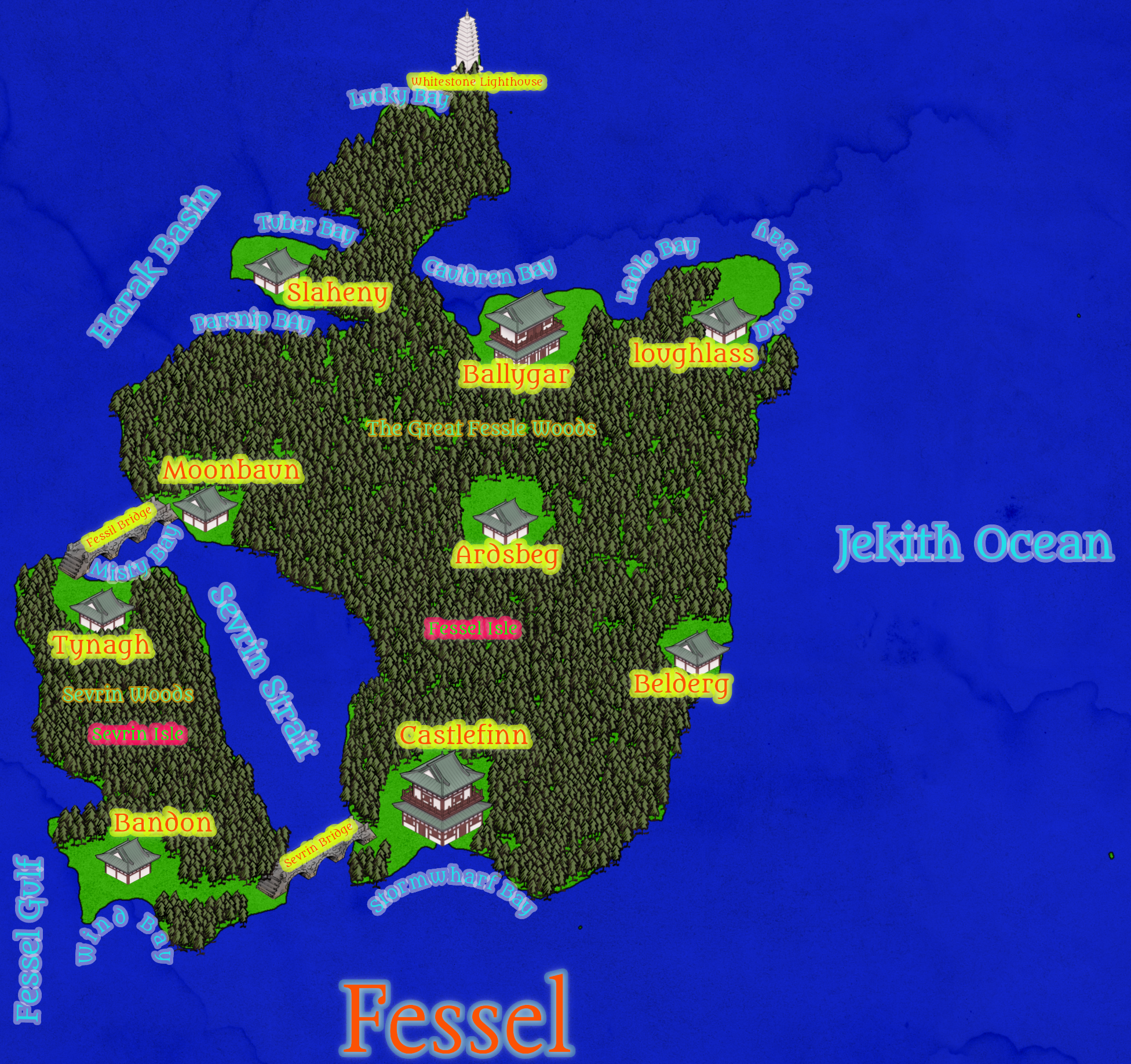 History of FesselNestled in the southeastern waters of Laridian, Fessel is a rugged kingdom composed of two heavily forested islands. Its towering pines, ancient stone fortresses, and resilient seafaring people make it one of the most untamed and proud realms in the region. The islands rise steeply from the southern seas, with jagged coasts and natural harbors that have sheltered Fessel's people for centuries. Life here revolves around the sea, forests, and the enduring bonds of clan and kinship. The islands are divided by treacherous seas and vast forests that have kept invaders at bay for centuries. The kingdom has lived through countless struggles, yet has always emerged strong, defined by its deep-seated culture of unity, survival, and respect for the land and sea. From its early days as a scattered group of clans to the formation of a unified kingdom, Fessel's people have always looked to the sea for sustenance, the forest for shelter, and the bonds of kinship for strength. Founding and Early HistoryFessel's resilience began long before it was ever united under a single banner. In the early days, the islands were divided into warring clans, each fiercely protective of its land and resources. These clans, seafaring and woodland people alike, developed a unique culture intertwined with the land and sea. The kingdom's geography, with its treacherous coastline and deep forests, provided a natural defense against would-be invaders. Fessel's unification occurred centuries ago, following a great battle between the clans. A powerful and wise chieftain, known only as Sevrin the Unifier, rose to power, uniting the islanders under a single banner. His establishment of Castlefinn as the heart of the kingdom marked the beginning of Fessel's transformation into a unified realm. Castlefinn, perched high on a bluff overlooking a bay, became a symbol of strength, both a fortress and a seat of governance. From here, Sevrin's heirs would maintain control of the kingdom, and the islands slowly began to flourish. Fessel's Maritime InfluenceFor centuries, Fessel's prosperity grew through maritime trade, shipbuilding, and alliances with neighboring realms. The kingdom's strategic position in the southern seas gave it access to vital sea lanes, and Fessel's warships, built from its abundant timber, became both feared and respected. Its people excelled in navigating the restless seas, bringing goods from distant lands and fostering strong trade relationships with other coastal realms. Fessel also became known for its craftsmanship, particularly its woodwork, shipbuilding, and weaponry, which were highly prized by allies and traders alike. Over time, Fessel developed a reputation as a kingdom that defended itself through strength and diplomacy, always balancing the scales between trade, alliances, and military might. Fessel and Harak's EmpireDuring the height of Harak's empire, Fessel was briefly under its shadow. Despite the overwhelming power of the Harakian fleet, Fessel maintained its autonomy through skilled diplomacy and a strong naval presence. Harak sought to extend its empire across the southern seas, but Fessel's isolation and military strength allowed it to resist conquest, although it remained a vassal state for a time. As Harak's empire began to decline, Fessel seized the opportunity to solidify its independence, reaffirming its position as a sovereign kingdom. The islands' position between Harak and Rhyanne made them a strategic piece of the larger geopolitical puzzle. Fessel, now fully independent, reinforced its maritime defenses and ensured that its clans would never again be drawn into the conflicts of neighboring kingdoms. The Modern EraToday, Fessel is a kingdom proud of its independence and resilience. Its people continue to live in tight-knit clans, each ruled by a chieftain who swears fealty to the Crown at Castlefinn. Despite its isolation from the larger political struggles of the continent, Fessel plays a crucial role in the region's trade and naval power. Fessel's people are known for their close relationship with the land, embracing traditional ways of life, such as woodcraft, seafaring, and storytelling. The legacy of the ancient clans remains strong, and the kingdom continues to preserve its heritage while forging its future. The story of Sevrin the Unifier is still told in song and verse, and the people of Fessel celebrate their bond to the sea and forest, knowing that their future will always be intertwined with the elements that shaped them. Government and CultureCastlefinn, the capital, serves as both the royal seat and the heart of Fessel's economy. The kingdom is ruled by the King of Fessel, a monarch who is selected through a combination of hereditary rule and a council made up of chieftains, clan leaders, and high-ranking military commanders from across the islands. While the king holds significant power, the influence of the various clans remains strong, and decisions regarding war, diplomacy, and trade often require council approval. The current king of Fessel is King Eamon Stormcaller. He is a charismatic and respected ruler known for his wisdom and strong ties to both the sea and the ancient traditions of the island clans. Eamon earned his title "Stormcaller" after a legendary incident where he is said to have commanded a violent storm to pass over the kingdom's ships during a time of great peril. This event cemented his reputation as a ruler in tune with the forces of nature, especially the unpredictable seas that shape his people's lives. King Eamon is highly regarded for his diplomatic skill, keeping the balance between the many clans while navigating the political landscapes of neighboring realms. Under his rule, Fessel has maintained its hard-won independence while strengthening alliances with nearby coastal kingdoms. His leadership is marked by a deep reverence for Fessel's ancestral customs, ensuring that both the royal seat in Castlefinn and the individual clans remain united under the banner of Fessel. Fessel takes pride in its Code of Kinship, a foundational set of laws and customs that emphasize the importance of clan loyalty, land stewardship, and safeguarding the seafaring traditions. The kingdom operates as a hybrid of feudal and tribal governance, with each clan maintaining autonomy in its own territory while swearing fealty to the monarch. This balance ensures that the island's deeply rooted traditions of independence and unity are both preserved and protected. Fessel's culture is heavily tied to the sea and forest, and its people are known for their unmatched shipbuilding expertise, especially in crafting sturdy longboats designed for both fishing and warfare. The kingdom places great importance on seafaring skills, with the Guild of Shipwrights overseeing the construction of vessels that are renowned across the region for their resilience and speed. Song, storytelling, and oral history are pillars of Fesselan culture, passed down through generations as a means of preserving the kingdom's rich past. Every year, the people gather during the Great Feast of Tides, a grand event that combines the art of seafaring lore, epic tales, and songs that celebrate the kingdom's heritage. Festivals are central to life in Fessel, and each settlement hosts its own unique events to mark the changing seasons or significant maritime voyages. In addition, Fesselan astronomy and navigation have deep cultural significance. Local scholars at the Starward Hall in Castlefinn study the night skies to ensure safe voyages. The kingdom has a long history of celestial navigation, and every ship leaving port is equipped with star maps and celestial charts handed down through the ages. Fessel's Population BreakdownThe population of Fessel is approximately 600,000 people. Below is a breakdown of the population by race:
Military MightThough small, Fessel fields a militia drawn from both island cities and coastal towns. Its warships are swift, sturdy, and well-maintained, designed for both defense and offensive operations. The kingdom's naval strength allows it to control the sea lanes between the islands and guard against external threats. Castlefinn and Ballygar are key defensive bastions, with strong fortifications ensuring the kingdom's protection. The kingdom's commitment to its navy and fortified cities ensures its continued autonomy in the volatile seas. LanguagesThe primary language spoken in Fessel is Fesselan, a dialect of Common influenced by the island's isolation. It is a language rich in sea-related metaphors and clan traditions. There are also traces of Elven and Dwarven within the language, reflective of past alliances and trading relationships. Religion
Exports, Industry, and Resources
Major Cities
|