Geography
Major Biomes: - Forested Islands: Scattered like emeralds across the inland sea and outer coasts, the islands are cloaked in ancient woodland that stretches across their interiors and disappears into ever-shifting mist. Many parts of the forests remain untouched, uninhabited and revered as sacred ground. Others, like those of the Nameless Island, conceal hidden sanctuaries, reclusive monasteries, or ruins spoken of only in whispers, their locations absent from any charted map. Lush, rain-kissed, and alive with birdsong, these forests are a world unto themselves. Towering evergreens rise like cathedral pillars, their trunks thick with age, while moss-laden broadleaf trees weave dense green tapestries overhead. Beneath the canopy, ferns unfurl in dappled light and mushrooms cluster like secrets. The forest floor, soft with loam and centuries of fallen leaves, is often threaded with ancient stone paths and forgotten altar-stones, silent remnants of those who once worshipped the spirits said to whisper through the trees.
- Rocky Coastal Bluffs: Jagged and dramatic, the bluffs rise like broken teeth above the crashing surf. Weathered by centuries of wind and wave, they are both perilous and awe-inspiring. Hidden caves and sea-stack monoliths line the shore, many etched with warding runes or used as roosts by cliff-dwelling hawks and wind-scryers.
Climate & Weather
- General Climate: Huralas experiences a cool coastal climate, shaped by its proximity to the open southern sea. The air is salt-laced and brisk, with sudden shifts in pressure and temperature common along the high bluffs and inland forests.
- Seasonal Changes: Winters are wet and volatile, marked by ocean squalls, freezing mist, and erratic lightning. Summers are dry yet restless, swept by persistent coastal winds and haze. Spring and autumn bring mild temperatures but dense fogs, often clinging to the forested islands and lowlands for days at a time.
- Weather Patterns & Precipitation: Rainfall is frequent and heavy, especially along the coast, with roaring waves and howling sea-winds shaping both landscape and lifestyle. Sudden thunderstorms are common and often seen as spiritual messages. Occasional firestorms, rare but devastating, are believed to herald major shifts in fate or divine displeasure.
- Magical Weather Effects: Certain storms are considered sacred: "skyblessed surges" occur when storm surges align with solar or lunar cycles, believed to be direct signs from the dragon gods. At rare celestial conjunctions, fire-colored auroras ripple over the skies above Strathyre, illuminating the night in hues of crimson and gold, an omen regarded with both awe and dread by the faithful.
Governance & Politics
Huralas is a Theocratic Monarchy, ruled symbolically by the Drakelord, but functionally governed by the Flame Council, a conclave of high clergy, dragon-seers, and elemental interpreters of the divine will. The current sovereign is Drakelord Malgar Bogetti II, Voice of the Flame. He was chosen not by bloodline, but through a prophetic revelation witnessed by the High Orders during the Rite of Ashen Silence. Huralas is divided into ecclesiastical provinces centered around major cities and sacred sites. Each is overseen by a High Priest or Priestess of Dragonwright, responsible for spiritual governance and local law. Outlying regions and coastal holdings are administered by Flamebearers, regional stewards who enforce the edicts of the Flame Council and maintain harmony with the elemental orders. While the Drakelord serves as a divine symbol and spiritual protector, it is the Flame Council that wields true authority. They interpret omens, deliver judgments, and craft laws in alignment with the Words of Flame, a codex of sacred pronouncements believed to be gifted by the dragon gods themselves. Governance in Huralas is inseparable from faith; civil order flows through the sacred, not the secular.
- The Flame Council: Lead by the Drakelord, the Flame Council is the supreme governing body of Huralas, an assembly of high clergy, elemental seers, priests, and dragonbound visionaries. Chosen through omen, lineage, and trial, its members are not political appointees but spiritual vessels through whom the divine voice is said to speak. The council convenes at the Sanctum of Skyfire and issues binding edicts known as Ashen Mandates, which shape law, ritual, diplomacy, and war. Each seat on the council is tied to one of the Five Sacred Flames, aspects of divine judgment and elemental will (e.g., Ember, Ash, Pyre, Smoke, and Spark). Council decisions are made through a process called Flame Reading, wherein sacred fire is consulted in trance or ritual combustion. No decree is passed without at least three flames burning in unison, an act believed to signify divine assent.
- The Words of Flame: The Words of Flame are a sacred collection of divine edicts, visions, and dragonborn prophecies recorded in flame-script across sanctified basalt tablets, vellum scrolls, and bone-inscribed relics. Believed to be gifted through fire-revelation and dream-speech by the dragon gods, these writings form the spiritual and legal foundation of Huralan society. Some verses are immutable, unchanging laws of the cosmos, while others are interpreted anew with each generation by the Flame Council. The Words are guarded within the Vault of Embers beneath the Skyfire Sanctum, where only the highest-ranking clergy may enter. Recitation of the Words is considered an act of divine invocation; to speak them falsely is to risk immolation by spiritual fire.
- The Rite of Ashen Silence: A solemn and mystical ceremony, the Rite of Ashen Silence is performed when a new Voice of the Flame (Drakelord) must be chosen. The rite takes place deep within the Chamber of Cinders, a hollowed volcanic shrine said to rest above the resting breath of the Warden of the Ash, the sleeping dragon spirit bound beneath the Nameless Isle. During the rite, the Flame Council enters total silence for three days. No speech, no chant, no prayer is uttered. Only fire speaks. In that silence, a name will emerge, scorched into ash, glimpsed in a vision, or spoken by the flame itself. The chosen is anointed not by crown or blade, but by a single touch of fire upon the brow, which leaves no wound, only a glowing sigil that fades with time. The silence is sacred. Any who speak during the rite are immediately struck from the faith and exiled by wind and fire.
Urban Overview of Huralas
Capital City
Strathyre: Seat of Faith and Flame
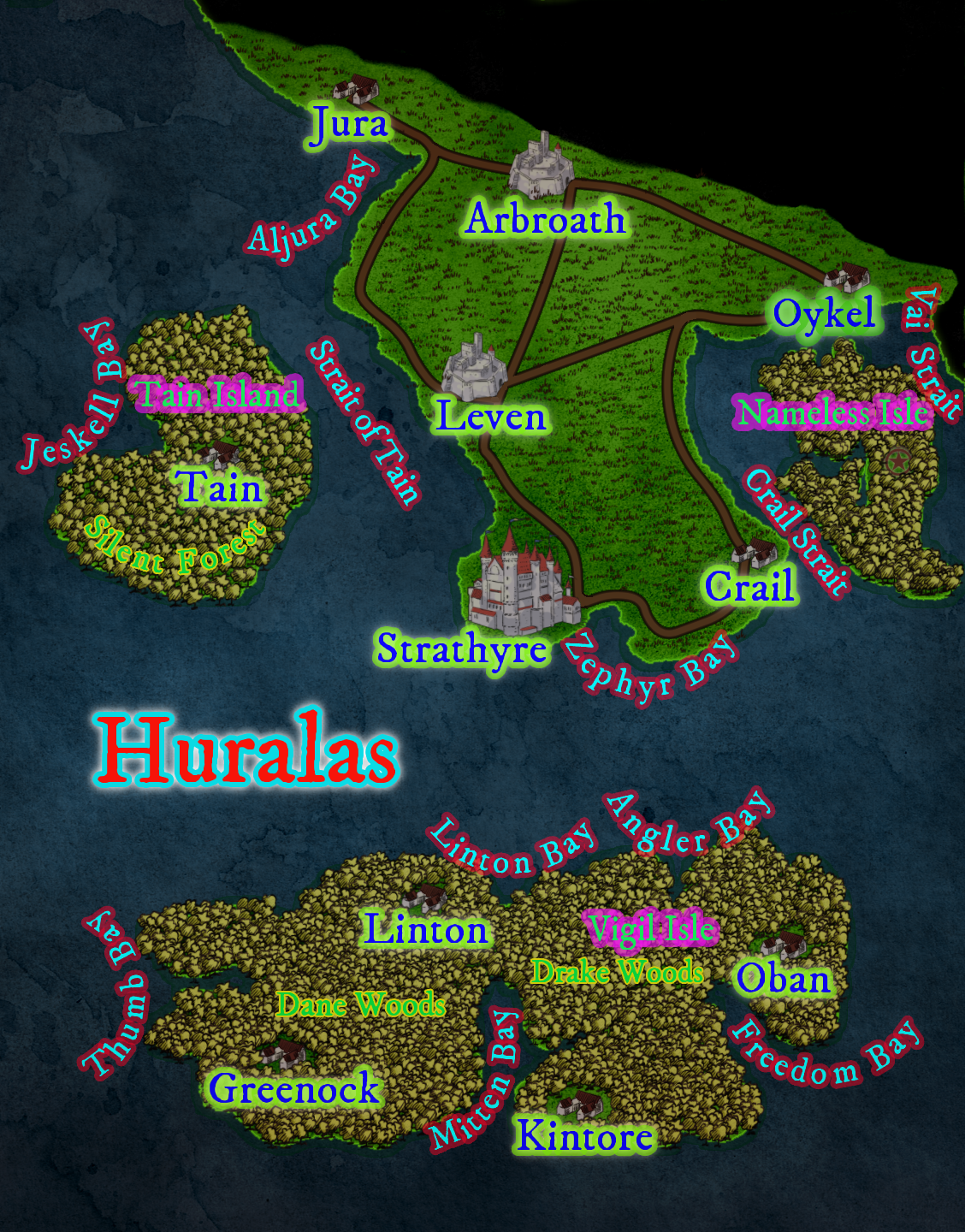
Perched at Laridian's southernmost point, Strathyre is the spiritual and political heart of Huralas. It houses the Sanctum of the Eternal Flame and the Flame Council. Its skyline is crowned with temple pyres and fire-lit towers that burn day and night as a beacon to ships, pilgrims, and seers.
Major Cities
Leven: Shipyard-Temple of the Sea
A naval stronghold and spiritual shipwright complex, Leven's harbors bustle with flame-sailed vessels. Temples here double as drydocks, where hulls are blessed and riggings consecrated. It is the military and maritime backbone of the southern coast.
Arbroath: Forge-City of Fire and Diplomacy
Inland yet vital, Arbroath lies near the western border of Synarrin. Known for its vast forges and sacred smithing halls, it is home to the Forge of Judgment, where holy weapons and edicts alike are shaped. It also serves as a key site for negotiations with neighboring realms.
Notable Towns
Jura: Town of Pilgrims and Relics
Built around relic-shrines and sacred ruins, Jura is a pilgrimage site for the devout. Its most revered location is the Stone Scale Pier, said to have once supported the landing of a divine dragon.
Oykel: Storm-Prophet's Haven
Set among the basalt cliffs, Oykel is famous for its Basalt Prayer Arches and skyburial traditions. The town is home to storm-priests who interpret omens in thunder, wind, and rain.
Crail: Salt and Soul
Nestled beside the brilliant salt flats, Crail is both a spiritual center and a hub of scholarship. Sacred rites tied to purity, discipline, and alchemical knowledge are practiced here, especially during solstices.
Island Towns
Tain: The Shrine in the Trees
Located on a mist-wreathed forest isle, Tain is a reclusive monastic town built around the ancient Covenant Tree, entwined with dragon bone and sacred vows. Few speak above whispers here.
Linton, Oban, Kintore: The Quiet Isles
These smaller island settlements serve as fishing villages, contemplative sanctuaries, or outposts for flameward monks. Each holds its own quiet mystery.
Greenock: The Isles of Vigil
A cluster of lighthouse-isles and retreat centers, Greenock is a place of reflection and ascetic devotion. Its temple-beacons light the sea, and its monks keep vigil over celestial omens and flame-rites.
Sacred & Historic Sites
- The Skyfire Pyre (Strathyre): Perched upon the storm-lashed cliffs of Strathyre, the Skyfire Pyre burns with a flame that never dies. Kindled from the original sacred fire of the Sanctum of Skyfire, it serves as both beacon and blessing, guiding ships, pilgrims, and wind-priests across the treacherous southern seas. The flame burns without fuel, fed instead by ancient rites and the will of the High Orders. Each dawn, robed clergy ascend the stone stairs to offer prayers and renew the flame's covenant with the skies. Mariners believe that as long as the Pyre burns, no soul is ever truly lost at sea.
- The Covenant Tree (Tain): In the heart of Tain stands the Covenant Tree, an immense, gnarled living shrine whose roots and branches are fused with the bleached bones of a long-dead dragon. Said to have grown around the creature's resting place over centuries, the tree pulses faintly with warmth, its bark etched with binding runes and covenant marks. Pilgrims come from across the realm to lay offerings beneath its canopy, hoping to commune with the ancient pact said to still linger in its sap and marrow. Some say the tree remembers, and that it whispers its judgment in dreams.
- The Nameless Isle: Shrouded in dense, ancient forest and wreathed in mist, the Nameless Isle is home to the Sanctum of Skyfire, the holiest site in all of Huralas. Access is forbidden to all but the clergy of the High Orders, who arrive only by consecrated vessel and speak little of what lies within. Whispers tell of the Warden of the Ash, a slumbering dragon spirit bound in silence at the island's heart, its breath said to have ignited the first sacred flames of the Skyfire. Even the name of the isle is kept from common speech, lest it stir the ancient power within.
- Basalt Prayer Arches (Oykel): Carved directly into the wind-scoured basalt cliffs, Oykel's Basalt Prayer Arches are a revered holy site. Each arch is etched with ancient prayers, blessings, and death-verses left by pilgrims over centuries. The arches are famed for the wind-prophecies, natural whistling tones said to carry divine omens when the wind passes through the stone. Skyburial traditions are practiced here, with the names and final rites of the deceased etched into the stone, granting them a place in the eternal wind.
- Salt-Crystal Flats (Crail): Vast, shimmering expanses of crystalline salt stretch across the horizon, the Flats are both breathtaking and brutal. Under the relentless sun, sheets of salt fracture into dazzling, geometric patterns, some said to resemble ancient sigils. The region's lifeblood is the salt trade, and this coastal settlement of Huralas thrives as a hub for harvesters, traders, and salt-priests. Rare pink salts and mineral-laced crystals from Crail are prized across kingdoms for both culinary and ritual use.
- Forge of Judgment (Arbroath): More than mere anvil and flame, the Forge of Judgment is a consecrated hall where prophecy and metallurgy entwine. Its fires are lit only by flamekindled rites, and its smiths, known as Ashwrights, are chosen not for strength, but for their ability to hear the will of the dragon gods in molten metal. Here, prophetic weapons are forged, their blades sometimes inscribed with runes that shimmer only when destiny nears. It is also the site where binding accords, between cities, orders, or even nations, are sealed not with ink, but with molten iron and flame-bound oaths.
- Stone Scale Pier (Jura): At the edge of Jura, stretching into mist-heavy waters, lies the Stone Scale Pier, carved from ancient stone and scorched smooth by ages of salt and sun. Pilgrims believe it marks the landing place of Qelvyr the Dawnscale, a divine dragon said to have emerged from the sea to deliver the first flame-word to mortals. The pier bears what is believed to be the imprint of a single claw, embedded in the rock and warm to the touch. Offerings of salt, light, and feathers are left here, and those who kneel in silent devotion often claim to hear distant wingbeats echoing across the waves.
Population & Society
Demographics
- Total Population: 950,000 The majority of the populace is concentrated along the southern coastline and the sacred island chain, where trade, pilgrimage, and spiritual governance converge. Inland regions remain lightly settled, dotted with remote monasteries, storm-watcher outposts, and shrine-keepers.
- Racial Composition:
- 78% Human: The dominant population, divided among coastal clans, monastic orders, and urban priesthoods.
- 10% Dwarves: Primarily residing in forge-cities like Arbroath or beneath volcanic ridgelines, where their smithing traditions blend with flame-reverence.
- 12% Other: A mix of halflings, fireblooded tieflings, and elemental-bonded peoples drawn to the spiritual energies of Dragonwright lands.
- Fae & Magical Creatures: Huralas's forested islands are steeped in mysticism, where the veil between realms is thin.
- Forest dragons dwell in secluded groves, often seen as spirit-guardians of ancient woodland.
- Drake messengers, small, intelligent creatures bonded to temples, carry flame-sealed messages across wind and wave.
- Fae-oracles wander the pilgrimage roads, offering riddles and visions in exchange for flame-offerings, moon-salt, or stories never told aloud.
- Population Density:
Heaviest along the southern coast and the island chain, where flame-temples and sea trade flourish. The inland highlands and mist-forests are sparsely populated, home to reclusive hermits, sacred ruins, and fae-touched glades rarely mapped.
Culture & Daily Life
Core Values & Beliefs
- The people of Huralas live by the flame, both literally and spiritually.
- Reverence for dragonkind lies at the heart of society, with dragons seen not merely as beings, but as elemental incarnations of fate, justice, and cosmic balance.
- Justice through fire is a sacred principle; truth is believed to be purified in flame, and all judgment must pass through it, whether through trial, ritual, or symbolic burning.
- Prophecy as guidance governs all major decisions, from marriage to statecraft. Oracles and vision-seers are consulted before oaths are made, ships are launched, or heirs are named.
Traditions & Customs
- Cultural life in Huralas is marked by deeply symbolic rituals:
- Flame-oath rituals are performed at major life events, birth, coming of age, initiation into priesthood or trade, where one's vow is sealed before a sacred fire.
- Skyburials, especially in places like Oykel, involve returning the dead to the wind and flame, leaving bones exposed atop sacred arches to be purified by sky and spirit.
- Sea sacrifices are made before voyages, often salt, feathers, or carved driftwood set aflame and offered to the sea gods and dragon patrons.
- Shrine walks are pilgrimage paths connecting sacred sites; pilgrims often journey barefoot, in silence, or bearing relics to be enshrined or renewed.
Arts, Music, & Cuisine
- Huralan expression blends elemental reverence with coastal tradition:
- Bronze-sung chants are performed in temple choirs, using echoing gongs and harmonic throat-singing to mimic the breath of dragons.
- Fire dances, especially at solstice festivals, depict ancient legends with flame-twirling, rhythmic stomps, and ember-casting.
- Cuisine emphasizes preservation and purity: salt-baked fish, smoked sea greens, and fermented root wines are staples.
- Mosaic art flourishes in temple halls and city plazas, often portraying dragons, celestial signs, and flame-symbolic lore in polished stone and fired clay.
Magic in Society
- Magic in Huralas is sacred, selective, and ceremonial:
- All spellcraft must be divinely sanctioned by the Flame Council or a local temple order. This includes Mages and Psionic users.
- Prophetic visions, fire-reading, and ash-divination are the most trusted forms of magic. Those with the gift are trained in monasteries and tightly bound to ritual law.
- Flame-based spellcraft, including firebinding, light-shaping, and sacred ignition, is revered as a divine tongue of the dragon gods. Unauthorized or unsanctioned magic is considered not only illegal, but heretical.
Festivals & Holy Observances
- Festival of Ashen Dawn: Held at the winter solstice, this is the most sacred event in the Huralan calendar. Pilgrims gather at flame-temples to witness the First Flame Rite, where a ceremonial fire is lit using embers believed to descend from the divine. The ritual signifies rebirth, judgment, and the coming of new omens for the year ahead.
- Tide of the Ember Moon: During the summer's highest tide, offerings are made to the sea and sky. Bonfires line the coastal bluffs, while children release lanterns into the ocean. Fire-dancers perform on the beaches of Leven, and flame-priests deliver blessings from atop ship bows.
- Vigil of the Silent Scale: A solemn week of silence in early spring, commemorating the mythical moment when the dragons turned their gaze away from the old kingdoms. Devotees wear ash-colored robes and fast in the shrines. Prophets often receive powerful visions during this time.
- Feast of the Flameborn: A harvest celebration in mid-autumn. Townsfolk wear orange and gold, sharing fermented wines, salt-cured meats, and spiced root dishes. Artisan competitions, dragon-shaped pastries, and firework-like "ember bombs" mark the occasion.
Clothing & Dress
- Common Attire:
- Coastal Folk wear hooded cloaks of oil-treated wool and dyed linen, often in stormy greys, slate blues, or ember reds.
- Islanders prefer layered robes with wind-clasps and lightweight sashes, often decorated with shell-beads or flame-stitched sigils.
- Inland Laborers wear thick leather and wool, often bearing charm-runes sewn into their sleeves or belts.
- Priestly Garb:
- Flame Council Clergy wear long fire-silk robes in white and deep crimson, embroidered with gold thread representing flame tongues and dragon eyes.
- Initiates wear simple ash-grey vestments until their flame rite is complete.
- Pilgrims often wear hand-woven bands or flame-charms around their wrists or brows to denote their devotion.
- Ceremonial & Festival Wear:
- During festivals or rites, garments are often adorned with flame-mosaics, copper accents, or light-ember embroidery. Some wear dragon masks or stylized horns in celebration or homage.
Daily Life by Region & Caste
- Coastal (Strathyre, Leven, Jura, Crail, Oykel)
- Nobility & Flamebearers dwell in cliffside manors near flame-towers, overseeing trade, law, and temple patronage.
- Craftsfolk & Sailors rise early, offering prayers at the harbor shrines before shipbuilding, fishing, or salt-harvesting.
- Flameward Apprentices study scripture and flamecraft under strict discipline, often serving in temple kitchens or ash-cleaning duties until ordained.
- Pilgrimage Hosts in Jura tend relic-halls, guide shrine-walkers, and maintain sacred baths and foot-soothing stations.
- Inland (Arbroath)
- Smith-castes in Arbroath train from childhood, often guided by flame-seers who read the omens of molten ore.
- Diplomatic envoys are common here, dressed in both sacred and secular robes as they represent Huralan interests beyond the border.
- Island Communities (Tain, Greenock, Oban, Kintore, Linton)
- Monks and Seers in Tain live ascetically, meditating beneath the Covenant Tree, tending to the shrine's roots and dragon-bone inscriptions.
- Lighthouse Keepers of Greenock are both engineers and mystics, trained in both weathercraft and prophecy.
- Commoners engage in quiet fishing, prayerful weaving, or tending fire-gardens: plant beds kept warm by thermal vents.
Social Castes
- The Flamebound (nobles and clergy): Interpreters of divine will; trained in prophecy, governance, and flame law.
- The Emberborn (merchants, artisans, respected trades): Often bound to temple guilds or maritime orders.
- The Ashenfolk (laborers, fisherfolk, field tenders): Serve with humility; seen as spiritually close to the earth and worthy of dragon mercy.
- The Firemarked (those with prophetic gifts): Rare and often cloistered, sometimes feared, always revered.
Social Hierarchy
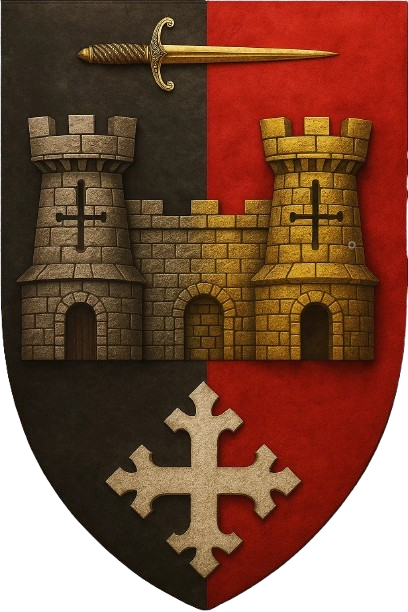
- Nobility & Ruling Houses: Symbolic lineage traced to dragons; houses bear draconic crests
- Merchants & Guilds: Organized under temple charters; sea guilds carry holy writ
- Artisans & Laborers: Apprenticed through Flame Orders; most work is blessed or sanctified
- Orders: The Ash-Circle, Druids of the Dragon Blood
Military & Defense
Forces & Strategy
- Standing Army Size: 22,000 active, plus island militias
- Military Branches:
- Flamebound Legion (infantry)
- Scale Fleet (naval)
- Skyward Vow (elite aerial unit)
- Elite or Magical Units:
- Pyrelords (battle-clerics)
- Ashmarked (prophetic duelists)
- Drakebound (dragon-bonded champions)
- Beasts & War Mounts: Firebred chargers, sea wyverns, stone-scaled raptors
- Defensive Structures: Fire towers, basalt bastions, lighthouse fortresses
Religion & Spirituality
Faith Systems
- Major Deities: Dragonwright
- Religious Practices: Fire-oaths, sacred trials, storm watch fasts, symbolic draconic masks
- Temples & Sacred Sites: Skyfire Sanctum, Covenant Tree, Temple of Shifting Scale, Stone
Scale Pier
- Religion's Role in Law & Government: All laws passed through prophetic approval; all oaths require flame sanction
Language & Lore
Linguistics
- Official Languages: Huralic Draconic, Common Laridian
- Dialects & Minority Languages: Dwarven (Crail, Arbroath), Old Harakian (formal texts)
- Magical Languages: Dragon-Script used in prophecy and high ritual
Education & Knowledge
- Institutions of Learning: Flamebound Colleges, Sanctum Scriptorium (Strathyre), Shrine of Scales (Crail)
- Mentorship: Ritual oaths to master-teachers; dragon lineage sometimes determines placement
- Libraries: Codex Pyrae, Ash Scroll Vault, Oban Oracle Hall
- Magical Research: Conducted under the Flame Council's watch; focused on draconic insight and elemental fusion
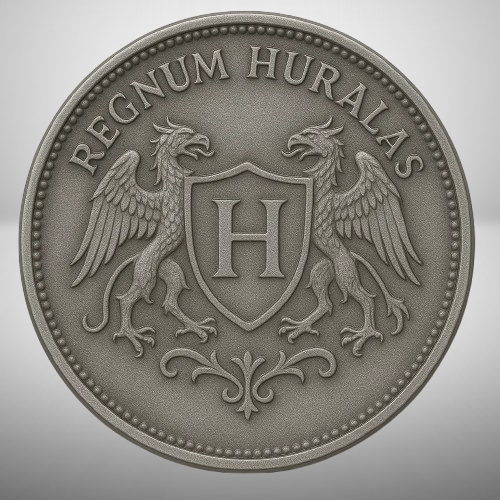
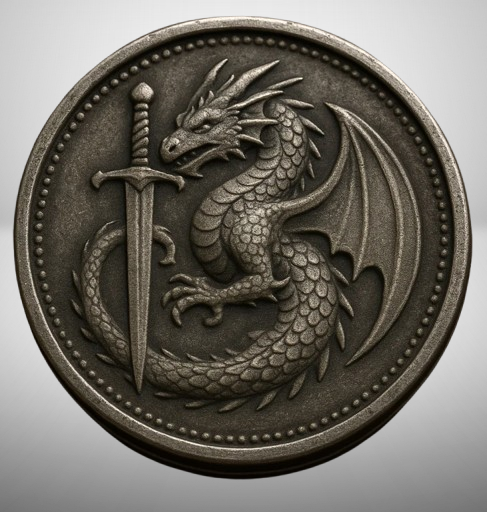
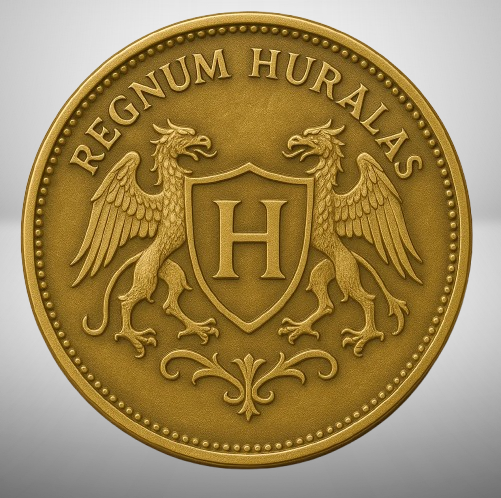
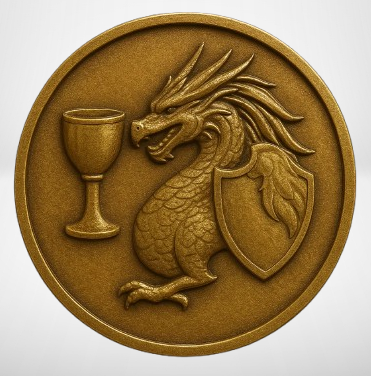
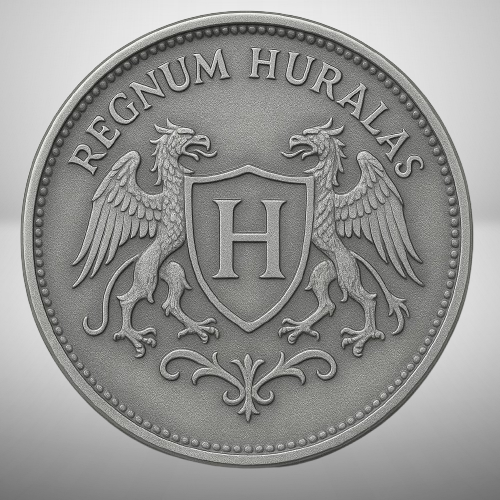
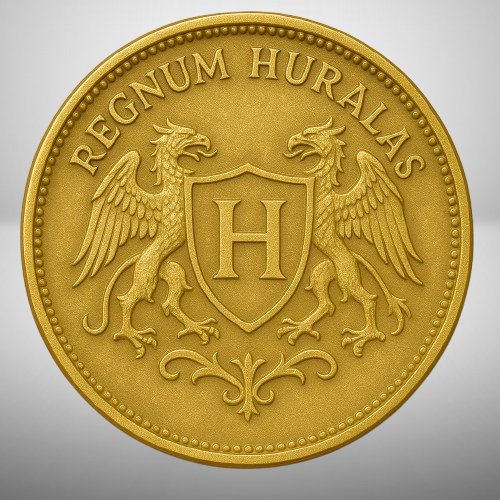
Economy & Trade However, remember that not all wealth is measured by coins. Wealth can take many form; land, livestock, the right to collect taxes or customs, and jewelry are all measures of wealth. Coins have no guaranteed value. A gold piece can buy a lot in a small village but won't go very far in a large city. This makes other forms of wealth, land for instance, all the more valuable. Indeed, many a piece of jewelry is actually a way of carrying one's wealth. Silver armbands can be traded for goods; a golden brooch can buy a cow, etc. In your adventures, wealth and riches may take many different forms.
Commerce & Trade in Huralas
Alternate Economies
In Huralas, wealth is measured not only in coin, but in faith, flame, and vow.
- Fire-bound oaths: These sacred vows carry both legal and spiritual weight. Any transaction sealed under oath is considered protected by divine retribution. Breaking such an oath risks spiritual exile and elemental backlash.
- Pilgrimage barter: In temple towns and sacred shrines, coin means little. Pilgrims trade relics, prayer services, artisanal crafts, meals, or even recorded dreams for food, lodging, and holy access.
- Salt-prayer tokens: Small wafers of compressed, blessed salt. These are exchanged for minor goods and services, often left as offerings to flame-seers or shrine guardians.
Commerce & Industry
Main Exports
- Salt from Crail's crystal flats, known for its purity and ceremonial value
- Ceremonial weapons forged under divine rites and flame-seer oversight
- Sacred oils used in anointing, scrying, healing, and fire blessings
Main Imports
- Rare metals for shipbuilding, weapon and armour crafting
- Rare woods for shipbuilding, shrine ornamentation, and relic crafting
- Grain
- Inks for scribing prophecy, imported from scholarly monasteries abroad
- Northern stone for constructing flame-altars, vaults, and temple plazas
Primary Industries
- Shipbuilding fueled by flame rites, dragon prayers, and seaworthy prophecies
- Metallurgy guided by smith-seers in sacred forges
- Ritual scribing using enchanted inks, dragonbone quills, and flame blessings
- Sea trade
Unique Goods
- Flame-forged armor that glows faintly when ritually blessed
- Storm-wrought wind chimes, harmonized by monks to echo prophecy in the wind
- Prophetic relics etched with living flame script, readable only under sacred conditions
Internal Trade
Trade within Huralas is administered by the Office of the Scale of Flame, a sacred economic council comprising flame-priests, oath-forgers, and merchant-oracles. All major exchanges must be sanctioned through fire rites to ensure spiritual purity, balance, and divine favor.
Magic & Mysticism
Magical Framework
Magic in Huralas is divine, not merely arcane. It is shaped by elemental reverence, prophetic vision, and the will of dragons. All spellwork is sacred, tied to oaths, ritual, and natural forces.
Common Trades & Practitioners
- Fire mages (Igniswrights): Masters of purification, battle magic, and sacred flame rites
- Storm prophets: Sky-seers who divine truth from wind, cloud, and lightning
- Ritualist scribes: Keepers of flame-text prophecy and magical transcription
- Drake-whisperers: Bonded to elemental drakes, used for long-distance omens and message delivery
Magical Materials
- Dragonbone ink: Ink infused with ground dragonbone ash, used only for sacred texts
- Flameglass: Translucent obsidian that channels vision and protection magic
- Pyre salt: Ceremonial salt used for warding, circle-binding, and oath branding
- Volcanic crystal: Stores raw magical energy, often used in relics and sanctum wards
Arcane Institutions
- Skyfire Sanctum: Located on the Nameless Isle, the most sacred seat of prophecy
- Ash-Circle Groves: Forested enclaves where druids and flame-seers practice ancestral rites
- Temple Forges (Arbroath): Holy forges where magic and metal are fused by divine will
Sacred Artifacts
- Crown of Cinders: Worn by the Drakelord, it burns eternally without consuming
- Scale of Truth: A divine weighing scale that detects lies through heat shift
- Blade of Oaths: Used in sacred treaties; ignites when a sworn vow is violated
Mystical Lore
Sacred Relics & Sites
- Covenant Tree (Tain): A living shrine intertwined with dragonbone, pulsing with ancestral power
- Stone Scale Pier (Jura): A relic of pilgrimage, said to bear the footprint of the first fire-dragon
- Sanctuary of Cinders (Leven): A forge-temple where holy flames and warrior-priests are born
Myths of the Flameborn
- The Sleeping Warden: A dragon spirit beneath the Nameless Isle whose dreams shape fate and seasons
- Birth of the Flame Gods: Seven dragons of starlight and one of shadow shaped the world with breath and fire
- Trial of the Seven Winds: A mythic seeker who gave up all to master fate, prophecy, and elemental truth
Historical Heroes & Events
- The Oath-Forging: Founding of Huralas through a sacred rejection of Harakan rule
- Fall of the False Crown: Destruction of Harak's last loyalists and the purging of royalist icons
- Ascension of the Flame-King: A mythic ruler who first heard the voice of the Warden and lit the Eternal Flame
Nature & Wildlife
Flora & Fauna
- Fireroot: Ember-veined plant, harvested for potions and sacred fire powder
- Salt Vine: Hardy coastal plant, leaves used in ritual tea and preservation
- Storm Nettle: Electric-touched flora, dangerous but valuable in seer brewcraft
- Thunder-Hooved Oxen: Massive beasts used inland; their hooves are said to summon rain or thunder
- Cliff Runners: Goatlike beasts used by scouts and patrols to navigate cliffside shrines
- Ember Owls: Birds of flame and shadow, said to signal birth, death, or prophecy
Natural Relationship: Dragons are the breath of nature. To walk through the forests, sail the coasts, or speak to the flame is to commune with the divine. All living things are seen as sparks of a greater fire, flickering, brief, and sacred.
Environmental Stewardship
Sacred Areas
-
Nameless Isle
A forbidden, forest-cloaked island at the heart of the inland sea, said to house the Sanctum of Skyfire and the slumbering spirit of the Warden of the Ash. Its shores are guarded by flame-wards, and only the highest clergy may set foot on its soil.
-
Tain Island Covenant Grove
Ancient woodland sanctuary, home to the Covenant Tree believed to have once spoken with dragon spirits. These groves serve as meditation grounds, places of seer rites, and birthing shrines for prophetic children. Pilgrims rest here before continuing to sacred rites. The grove glows faintly at night, and whispers are often heard among the roots.
-
Crail Salt Flats
A crystalline expanse revered for its purity and shimmering beauty. Pilgrims walk barefoot across the glowing flats at dawn, seeking visions reflected in the mirror-like pools. Harvesting is strictly ceremonial, performed only by trained salt-blessers under dragon sigils.
Sacred Practices
-
No hunting near shrines or groves
These lands are consecrated, and shedding blood near them is seen as a grievous offense. Offenders are often exiled or sentenced to ash-penance.
-
Sea oaths made before fishing
Before casting nets or spears, fisherfolk must light a flame on the shore and make an offering to the sea spirits. Only after receiving a sign, such as a spark, breeze, or calm tide, do they begin their work.
Environmental Laws
-
Fire zones protected as holy
Ember fields, and natural flame sites are revered as dragon-born. These areas are marked with flame pylons and watched by shrine-wardens to prevent desecration.
-
Mining limited by flame rites
All excavation requires blessings from the Scale of Flame. Tools must be flame-cleansed, and each mining day begins with an ash prayer. Violations are met with heavy spiritual and legal penalties.
Recognized Sanctuaries
-
Isle of Vigil
Watched over by mystic lighthouse keepers. Used as retreats for vision quests and deep prophecy. Silence is mandatory.
Diplomacy & Relations
External Affairs
-
Allies: Independent coastal port-states that respect the spiritual authority of the Flame Council. These allies often send tribute ships and host joint rituals during shared festivals.
-
Neutral: Synarrin, a neighboring theocracy. While religious ideologies differ, both nations respect each other's rituals and maintain guarded pilgrim and scholar exchanges under spiritual treaties. Veiw Elves with suspision.
-
Enemies:
- Anti-draconic cults: Underground movements that oppose the worship of dragons and seek to extinguish sacred flame rites.
- Harak loyalists: Remnants of the old empire who consider Huralas a rebellious province and continue attempts to destabilize it from afar.
-
Trade: Sacred salt and obsidian-hulled ships are traded for northern grain, rare woods, ceremonial inks, and enchanted scroll materials. All major trade deals are sealed under fire-bound oaths.
-
Cultural Exchange: Huralas participates in formal ritual combats, exchanging champions and flame-forged artifacts with neutral or allied states. Pilgrimage routes are maintained, and relics are sometimes gifted to seal alliances or sacred truces.
Conflicts & Challenges
Struggles of the Flame
-
Internal Tensions: A schism simmers between the traditionalist Flame Council and the nature-aligned Ash-Circle druids. The druids argue the sacred flame must be wild and unbound, while the Council insists on order and ritual. This spiritual conflict manifests in local governance, temple rites, and even public schooling.
-
External Threats:
- Pirate sects: Known as the "Saltborne Blades," they raid pilgrimage routes and sacred cargo ships, often using false flame symbols to disguise themselves.
- False prophets: Charismatic figures who claim to receive new visions from dragons, often leading splinter cults and causing unrest.
- Sea monsters: Beasts of the deep, once kept at bay by shrine-wards, have grown bold, possibly due to the weakening of sacred protections.
-
Historic Wars:
- Oath Wars: The brutal purge following Huralas' secession, fought to sever the spiritual and political ties with the empire of Harak.
- Flame King's Rebellion: An attempted usurpation by a charismatic war-priest, who claimed divine right to rule. Ended in exile and the establishment of tighter Flame Council control.
- Harak's Fall: The greater civil war that fractured the old kingdom, setting the stage for the emergence of independent faith states like Huralas.
-
Current Issues:
- Coastal erosion: Sacred shrines along the bluffs and beaches are crumbling due to rising tides and storm frequency. Preservation efforts are costly and slow.
- Prophetic silence: Seers report the flame's voice is dimming, visions are clouded, omens misread, and major prophecies remain unfulfilled. Some fear the Warden of the Ash stirs in its sleep.
Festivals & Celebrations
Cultural Calendar
Major Holidays
-
Trial of the Flame (New Year)
The first day of the year is marked by sacred reckoning. Citizens stand before temple flames to reaffirm oaths, declare new vows, or face symbolic "Ash Judgment" for broken promises. Those found unworthy may undergo acts of penance, such as ash-walks or public recitations of past wrongs. Great braziers are lit in city centers, and flame-seers read the new year's omens from the shapes of rising smoke. It is considered bad luck to speak a lie or leave a hearth cold on this day.
-
Skyfire Ascension (Summer Solstice)
This high summer festival honors the dragon gods' rise into the heavens. Citizens craft wind-chimes and floating lanterns inscribed with prayers and launch them from hillsides, towers, and ships. At midnight, a great flame-dance takes place beneath the open sky, where fire mages and dancers reenact the Ascension using sacred flame patterns. Offerings of incense, bright fruit, and molten wax are made at cliff shrines. Sky wyrm sightings during the solstice are considered divine blessings.
-
Day of Oaths (Autumn Equinox)
The most sacred civic holiday, dedicated to all oaths of heart, law, and soul. Weddings, treaty signings, and high court rulings are traditionally scheduled on this day to gain the blessing of the flame. Ceremonies are conducted at dusk with flames held aloft in silence until vows are spoken. The Blade of Oaths is ceremonially unsheathed in Strathyre's Temple of Flame to mark the sun's balance and the year's turning. Those who speak false oaths on this day are believed to be cursed by silence.
Seasonal Rites
-
Spring Flame Walk
A barefoot pilgrimage through local shrine paths, beginning at dawn and ending with the relighting of community hearths. Families carry small ember bowls as they journey, using sacred flame from temple altars to ignite the next. The rite symbolizes renewal, continuity, and spiritual cleanliness. Children's first walks are celebrated with songs and ash blessings.
-
Winter Silence of Ash
Marked by fasting, quiet prayer, and self-reflection, this solemn period honors the dragons' descent into slumber. Homes are kept dim and silent, with ashes spread in doorways and windows to ward away false omens. Temples offer quiet refuge, and monks read aloud the Dreaming Scrolls, prophecies said to be born from dragon sleep. At the end of the rite, a single flame is rekindled in each home to mark the dragons' dreaming breath.
Rites of Passage
-
First Oath
Typically made at age twelve, this rite binds the youth to a life path or personal vow, spoken before a minor flame. It may be a promise of learning, service, artistry, or spirit. The vow is witnessed by a parent, priest, or flame-seer, and the child receives a fire-etched charm marking the vow's nature. Breaking a First Oath brings spiritual shame until it is redeemed.
-
Flamebrand Tattooing
A rite marking adulthood or entrance into a holy, martial, or scholarly order. Intricate tattoos are seared into the skin using enchanted brands and flameglass needles, forming living sigils that often glow faintly in firelight. The designs are unique to the path chosen and may include dragon runes, prophetic glyphs, or elemental markers.
-
Sky Ashing
The sacred death rite of Huralas. The body is cremated in a high pyre while the name of the deceased is sung by loved ones or seers. The ashes are then released from a cliff or tower into the wind, believed to carry the soul skyward to rejoin the dragons of fire and fate. In some sects, a pinch of ash is kept in a vial to guard the ancestral hearth.
Culture and Traditions
- The Flame Council governs by prophecy and spiritual merit.
- Flameborn Law: All contracts, trials, and oaths are sealed by sacred fire.
- Dragon Lineage: Most noble houses trace symbolic lineage to draconic avatars or servants of the gods.
- Oath Wars: Disputes are settled by ritual combat or sacred judgment rather than feudal war.
- Seafaring and Sacrifice: Sailors and captains invoke Kym-nark-mar before every voyage. Shipwrecks are seen as divine tests.
Public Events
-
Stormchime Festivals (Leven)
Held during peak summer squalls, these week-long festivals honor the storm aspect of the dragon gods. Towering chimes forged from bronze and blessed windsteel are hoisted across rooftops and cliffside temples. As the sea winds howl, the city becomes a choir of prophetic tones believed to carry omens. Events include sky-dancer performances, chime-forging contests, and the Windchild Parade, where children dress in winged garb and are symbolically "lifted" by the divine wind.
-
Ember Trials (Crail)
This midsummer rite of endurance and purification is both a spiritual test and a public spectacle. Participants walk barefoot across ash paths, carry salt burdens through sacred mazes, and face trial fires where they must recite their vows without faltering. Spectators chant in rhythm, casting petals and blessed salt into the flames. Victors are marked with ember-touched paint and declared "Tempered of Crail," often rising to prominence in temple or civic life.
-
Pilgrimage Week (Jura)
Each autumn, Jura becomes a beacon for thousands of pilgrims arriving by road and boat to walk the holy Relic Path. The town swells with shrine-tenders, storytellers, spirit-binders, and traveling seers. Every night, lanterns are floated across the bay to honor ancestors and seek favor from the dragon spirits. Visitors participate in ritual baths, relic blessings, and "Stone Silence", a communal meditation at the Stone Scale Pier, said to echo with divine presence at twilight.
|