The Under Water Realms
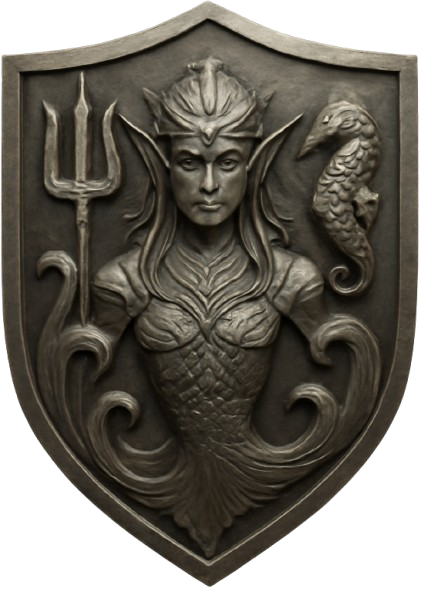
Sea Elf Flag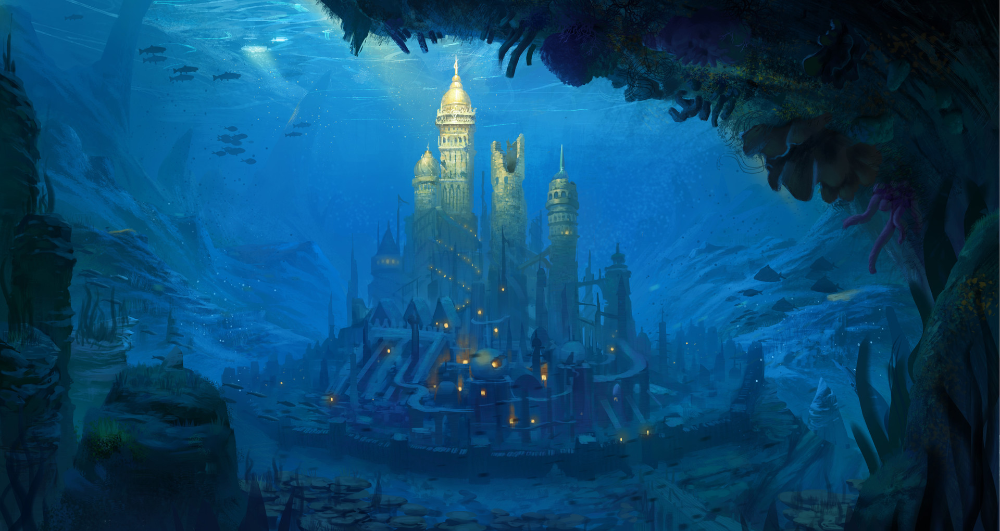
Underwater Cities and Kingdoms
Beneath the vast oceans of Otara lie entire civilizations, hidden from the surface world. These submerged kingdoms and cities thrive in the depths of the seas, adapted to the unique challenges of life beneath the waves. Home to a variety of aquatic and semi-aquatic races, these underwater realms are rich in history, culture, and mystery. They are a vital part of Otara's geopolitical landscape, often remaining isolated but occasionally interacting with surface dwellers through trade, diplomacy, or warfare.
Geography and Terrain
Location:
The underwater cities and kingdoms are primarily located along the continental shelves, in deep-sea trenches, and in underwater caverns. They are situated at varying depths, from shallow coastal regions to the crushing depths of the ocean floor. Some of the most prominent underwater civilizations lie beneath the Azure Depths, a vast, unexplored oceanic region known for its unpredictable currents and powerful sea creatures.
- Coral Cities: In some areas, sprawling coral cities are built around massive coral reefs, which provide both protection and natural resources. These cities are often home to merfolk and tritons, who live in harmony with the reef ecosystem.
- Sunken Fortresses: Ancient, forgotten kingdoms lie submerged beneath the waves. These ruins are often magical in nature, filled with powerful relics and technologies that have long been lost to the surface world.
- Deep-Sea Caverns and Trenches: The darkest and most dangerous parts of the oceans are home to civilizations that thrive in near-complete darkness, relying on bioluminescent flora and fauna for light. These deep-sea kingdoms are isolated, their inhabitants accustomed to the crushing pressure and eerie quiet of the ocean floor.
Inhabitants
Underwater cities are home to a variety of races and creatures, many of whom have evolved to live in the harsh aquatic environment. Some kingdoms are ruled by ancient, enigmatic creatures, while others are more egalitarian.
- Merfolk: A common race in underwater cities, merfolk are humanoid beings with the upper bodies of humans and the lower bodies of fish or sea creatures. They are known for their agility in the water and their ability to communicate with marine life.
- Tritons: A proud, warrior race of humanoid aquatic beings, tritons possess the ability to command the sea and control weather patterns. They are often the rulers of many underwater cities, leading with strength and wisdom.
- Sea Elves: Elves who have adapted to underwater life, sea elves are elegant and mystical beings with an affinity for magic and the natural world. They are often protectors of coral reefs and marine ecosystems, living in harmony with the seas.
- Aquatic Dragons: Some deep-sea caverns and forgotten ruins are said to house ancient Aquatic Dragons, massive, serpentine creatures that possess both great power and vast knowledge of the ocean's mysteries.
- Sahuagin and Kuo-Toa: In the darkest regions of the sea, more savage and malevolent races such as sahuagin and kuo-toa have formed their own brutal kingdoms. These creatures thrive in deep-sea trenches and caverns, where their primal nature can be at its most destructive.
Culture and Society
Underwater civilizations have unique cultural practices and societal structures, deeply influenced by the ever-changing, dynamic ocean environment. Their societies are often built around their relationship with the sea, magic, and survival.
Cultural Practices:
- Rituals of the Deep: Many underwater cultures have rituals centered around the sea gods and ocean spirits. These ceremonies may involve offerings to the sea, rites of passage, and even sacrifices to appease the ocean's dangerous creatures. The full moon or specific lunar cycles often play an important role in these rituals.
- Art and Music: The sounds of the ocean are a major influence on underwater art and music. Sculptures made from coral, bone, and shells are common, as are glowing murals painted with bioluminescent inks. Music, too, is centered around the sounds of the sea, with water-based instruments and singing that can communicate with marine life.
- Aquatic Magic: Magic in underwater kingdoms often revolves around manipulating the seas, weather, and marine creatures. Many underwater kingdoms have deep traditions of elemental magic, often drawn from the forces of water, ice, and storms. Mages and shamans may wield powers to calm the seas, summon currents, or communicate with sea creatures.
Social Structure
- Monarchy or Tribal Leadership: Many underwater civilizations are ruled by monarchs or chieftains who hold absolute power. For example, the Triton Kingdoms are often led by a King or Queen of the Waves, chosen by their prowess in battle or divine right. Merfolk tribes, meanwhile, may be governed by elders who hold positions of wisdom and knowledge.
- Theocratic Systems: Some underwater kingdoms, especially those ruled by sea elves or other mystical creatures, may have theocratic systems where the rulers are believed to have a direct connection to the ocean gods. These systems often involve powerful religious orders that guide the people.
- Hierarchical Systems: Depending on the race, some underwater cities operate with a rigid class structure, with nobility, warriors, and commoners divided into distinct social classes. The more powerful races, like the Aquatic Dragons, are revered as ancient deities or monarchs by other creatures.
Economy
Underwater economies are driven by the unique resources found beneath the waves. While they may not engage in conventional trade with surface kingdoms, they often have their own rich economies that involve the harvest of marine life and the magical resources of the deep.
Key Resources:
- Pearls and Precious Gems: The oceans are rich with treasures such as pearls, coral, and precious gemstones. Many underwater cities rely on these resources as a form of wealth, often using them for trade or as decorations in their grand palaces.
- Marine Creatures: Sea creatures such as giant clams, sharks, whales, and manticores are harvested for food, leather, and bones. The inhabitants may use kraken ink or sea dragon scales for magic and craftwork.
- Underwater Minerals and Crystals: The deep sea is home to rare minerals, including abyssal crystals that can store immense magical energy. These are prized by underwater kingdoms, especially those with strong magical traditions.
- Trade with Surface Dwellers: While often secretive or hidden, some underwater cities have established trade routes with coastal cities or seafaring kingdoms. These exchanges usually involve the trading of exotic goods, pearls, or magical artifacts in exchange for metals, textiles, and surface goods.
Military and Defense
Underwater kingdoms rely on their intimate knowledge of the sea and their control over aquatic magic for defense. Their armies are often composed of skilled warriors who are adept in both underwater combat and on land, depending on the kingdom's structure.
Warfare and Tactics:
- Naval Combat: Most underwater kingdoms field armies that can traverse both underwater and above water, using warships or aquatic creatures as mounts. Triton warriors are famous for their ability to fight underwater with tridents, spears, and harpoons.
- Aquatic Beasts: Some cities, particularly those of merfolk or sea elves, use sea serpents, sharks, and giant squids as both mounts and weapons of war. These beasts are trained for both offensive and defensive combat.
- Elemental Magic: Many underwater kingdoms utilize powerful elemental mages to control the seas, calling forth storms, whirlpools, and massive tidal waves to destroy invaders. Waterbenders or stormcasters are common among more magically advanced cities.
Defensive Structures:
- Coral Fortresses: Some underwater cities are protected by massive, living coral reefs, which serve as both natural fortifications and homes for various sea creatures. These reefs can grow to form impenetrable walls, making invasion difficult.
- Bioluminescent Barriers: Some cities use bioluminescent magic to create glowing barriers or fields of light that act as a form of mystical defense or a signal for allies.
- Underground Bunkers: For the more isolated cities, deep within the ocean's trenches, defensive bunkers are built into the ocean floor, where only those with the knowledge of the location can access them.
Religion
Religion plays a central role in many underwater cities, with their inhabitants venerating gods of the sea, storms, and creatures of the deep. These beliefs often revolve around the power and unpredictability of the ocean.
Deities and Worship:
- Sea Gods and Goddesses: Many underwater civilizations worship powerful deities such as Poseidon, Oceana, or the Kraken Lords, whose powers are directly tied to the sea and its creatures.
- Elemental Worship: In cities with elemental magic traditions, the worship of the Elemental Lords of water, ice, and storms is common. Water mages often perform rituals to invoke these deities for blessings or guidance.
- Ancestor Worship: Some aquatic cultures practice ancestor worship, honoring the spirits of past kings, queens, and heroes who once ruled over the seas.
Population and Demographics
The population of underwater cities varies greatly, depending on their location and race. Some of the more powerful and ancient cities may have populations numbering in the thousands, while isolated or smaller kingdoms may have only a few hundred inhabitants. These societies are often long-lived, and many underwater creatures, such as elves or sea dragons, enjoy lifespans that extend well beyond those of surface-dwellers.
Population Size:
- Merfolk and Triton Kingdoms: These cities typically house between 5,000 to 15,000 individuals, with many small villages surrounding the central capital.
- Sea Elves: Sea elves may live in smaller, more isolated communities, ranging from a few hundred to a few thousand. Their cities are often found within coral reefs or underwater caves.
- Aquatic Dragons: Rare and ancient, the population of these creatures is likely small, numbering only a few hundred at most, scattered across the deepest, most isolated trenches of the ocean.
Underwater cities and kingdoms are unique, mysterious realms that thrive beneath the waves. From ancient, magical cities of sea elves to the warlike, deep-sea kingdoms of tritons and merfolk, these civilizations are as diverse as they are powerful. Whether in the glowing depths or the darkest trenches, the underwater realms of Otara are filled with magic, danger, and wonder, and their influence on the world above is often felt in the form of rare treasures, mystical artifacts, and the occasional storm that rises from the sea.
Cities:
- Khanjaur: Beneath the dark and tumultuous waters of the Sea of the Ancients, hidden in the shadow of towering underwater mountains, lie the ancient and crumbling remains of Khanjaur, a once-glorious city of the Sea Elves. Now forgotten by most surface dwellers, the city is a spectral relic, its once-grand halls and spires lying in ruins, choked by the relentless tides of time and decay. Khanjaur's history is shrouded in mystery, and though many legends surround it, the true cause of its downfall remains unknown. What remains of the city now serves as a haunting reminder of a lost civilization, a place of forbidden magic and dark secrets.
- Iumathiashae: The city of Iumathiashae, located beneath the shimmering waves off the coast of Evermeet, is one of the most breathtaking and mystical underwater cities in the known world. Home to the ancient and noble Sea Elves, Iumathiashae is a place of unmatched beauty and serenity, where the magic of the ocean flows freely and the songs of the deep resonate through the coral-laden streets. It is a city where the boundaries between nature and magic blur, and the essence of the sea itself becomes a living, breathing entity.
-
Aqualis
Aqualis is an ancient city submerged beneath the Cerulean Trench. Known for its towering spires made of coral and luminescent minerals, it is a place of mystery, with rare species of aquatic life thriving in its bioluminescent glow.
-
Oceana
Oceana is a bustling trade hub located beneath the azure waters of the Medspan Ocean. It is famed for its vast marketplaces filled with treasures from the deep.
-
Thalassos
Thalassos is a city of intellectuals and scholars, built within an enormous sea cave. The city’s libraries contain knowledge of the deep sea's secrets, and its residents study the ancient magic of the oceans.
-
Maelstrom
Built within the eye of a great whirlpool, Maelstrom is a fortress city that stands as a beacon of resistance against sea-based invaders. Known for its immense fortifications, it is a city where only the bravest dare to live.
-
Abyssea
Abyssea is a ghostly city resting at the bottom of the deepest ocean trench. Surrounded by eerie dark waters, the city is home to an enigmatic race of beings who have adapted to the crushing pressures of the ocean depths.
-
Lyrathis
Lyrathis is an underwater metropolis renowned for its artistry and craftsmanship. The city is built into the sides of underwater cliffs, with shimmering art galleries and theaters showcasing performances by aquatic artists.
-
Nautalis
Nautalis is a city of explorers, home to generations of deep-sea adventurers. It is known for its great fleets of submersible vessels and its role as the launch point for expeditions into uncharted waters and mysterious undersea ruins.
-
Tenebris
Tenebris is a city of shadows, buried deep in a cavern where light never reaches. The citizens of Tenebris have adapted to life in total darkness, using bio-luminescent algae and fungi to light their streets and markets.
-
Coralith
Coralith is a vibrant city built from living coral reefs. It is a paradise for marine life, with sprawling coral gardens and reef-palaces inhabited by merfolk. The city’s economy is based on sustainable aquaculture and pearl farming.
-
Pearlin
Pearlin is a city built on a series of massive pearl-covered reefs. The city’s residents harvest the rarest pearls in the world, crafting them into magical artifacts and works of art. It is said that the pearls themselves hold ancient oceanic powers.
Return to Maps and Floor Plans
Back to Main Page