Kingdom of Keldshar
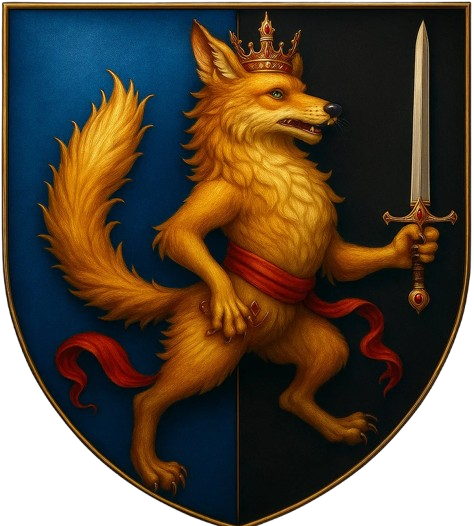
History of Keldshar
Keldshar stands as a quiet reminder of the ancient bond between the Kankorian and the Wolven peoples. Nestled in a remote part of the Yeaoshan Continent, Keldshar's history is deeply rooted in spirituality, nature, and the pursuit of knowledge. Despite its humble size, the kingdom holds great cultural significance.
Keldshar's history dates back to the time when the Wolven were united as one grand empire, spanning vast territories across the continent. While the Wolven were known for their strength and military prowess, they were always balanced by the spiritual teachings and nature-bound practices of the Kankorian. The two peoples, though differing in ways, shared an ancient pact, Keldshar was born from this union, a place where both the strength of the Wolven and the wisdom of the Kankorian could coexist in harmony.
The early years of Keldshar were characterized by a golden age of growth, where Kankorian mages and druids worked alongside Wolven warriors and leaders. The lands were fertile, and the kingdom thrived under the leadership of a wise Wolven monarch, supported by the Kankorian council. This period saw a flourishing of both magical and military prowess, with Keldshar becoming a beacon of knowledge and power.
However, as time went on, internal tensions between the Wolven and the Kankorian grew. While the Wolven sought to expand their empire through military conquest, the Kankorian preferred peace and balance with nature. This ideological split caused rifts within the Wolven empire, eventually leading to a division of territories.
In the great Sundering, when Roew collapsed under the weight of internal strife and external enemies, Keldshar emerged as a separate entity. The Kankorian, who had always valued peace, took the opportunity to distance themselves from the growing militarism of the Wolven. They established Keldshar as a sanctuary of tranquility and spiritual growth, dedicated to maintaining the balance between nature and civilization.
The remaining Wolven in the kingdom reluctantly accepted this separation, acknowledging that Keldshar had a different path to follow, one not dominated by war and conquest but by wisdom and healing.
After the Sundering, Keldshar became a beacon of spiritual and intellectual pursuits. It was during this era that the kingdom became renowned for its Kankorian scholars, who sought knowledge of the natural world and the arcane mysteries of magic. The Temple of the Eternal Grove was built, serving as a spiritual hub for the Kankorian and the few Wolven who remained, seeking solace in a more peaceful way of life.
The Kankorian of Keldshar established schools of magic and druidic traditions that would influence the rest of the world. While the Wolven were known for their prowess in battle, the Kankorian of Keldshar became known as masters of healing magic, divination, and nature magic. Keldshar flourished as a center of learning, where scholars from other kingdoms would come to study in its tranquil halls.
Though small in population, Keldshar became a respected entity in its own right. It developed a reputation as a neutral ground for diplomacy, often mediating disputes between larger kingdoms. Its leaders were wise and revered, and the kingdom was seen as a symbol of what could be achieved through peace and balance.
In the centuries following the Sundering, Keldshar found itself more isolated than ever. While other Wolven lands like Roew engaged in constant warfare and territorial expansion, Keldshar remained focused on maintaining its peaceful existence. It was during this period that Keldshar experienced its greatest vulnerabilities.
The Coyle, a race of chaotic and unruly canine humanoids, began encroaching on the outskirts of Keldshar's borders. Though they were a small population, the Coyle brought with them anarchy, destruction, and war. Several Coyle bands attempted to raid Keldshar, seeking to exploit the kingdom's natural resources. However, the Kankorian used their powerful magic and knowledge of the land to defend their homes, while the few remaining Wolven warriors in Keldshar protected the city itself.
Despite these conflicts, Keldshar continued to focus on its intellectual pursuits. The kingdom's isolation meant that it was less involved in the larger conflicts of the world, but it also allowed it to preserve its unique traditions and maintain its position as a sanctuary for peace.
In the modern era, Keldshar is still a small kingdom, but it has managed to remain neutral in the face of larger geopolitical struggles. Roew, the neighboring kingdom, has grown into a mighty Kingdom once again, with its Wolven leadership and expanding territories. Keldshar, though peaceful, has felt the pressure from external forces seeking to control its lands, its resources, and its influence.
The Kankorian of Keldshar remain dedicated to preserving their kingdom's independence, but their peaceful ways are constantly tested by the more militaristic and expansionist forces around them. Despite this, Keldshar continues to stand firm, a bastion of peace and wisdom in a world that is increasingly defined by conflict.
The Kankorian still maintain a leadership role in the kingdom, with the Circle of Elders guiding the people. The Wolven who remain in Keldshar play a more supportive role, providing protection and occasional military aid, but they too are dedicated to maintaining the balance of the land. Coyle, though a minority, still live on the fringes of society, serving the kingdom in laborious or mercenary roles.
The future of Keldshar is uncertain. As tensions rise with neighboring kingdoms and the Coyle continue to harry the borders, Keldshar's ability to maintain its peaceful existence will be put to the test. However, the Kankorian people remain resilient and dedicated to their traditions, and the kingdom's deep connection to the land and its spiritual beliefs will continue to serve as a guiding force.
Whether Keldshar will remain isolated and independent or be drawn into the larger conflicts of the continent is a matter of time, but for now, it stands as a quiet but enduring sanctuary, a kingdom where peace, knowledge, and nature hold sway.
Keldshar is the smallest of the Wolven kingdoms, a quiet realm unlike the larger and more militaristic lands of Roew and Keldshar. It is a sanctuary of peace, spirituality, and connection to nature. It is primarily inhabited by the Kankorian, the peaceful, nature-bound cousins of the more warlike Wolfen.
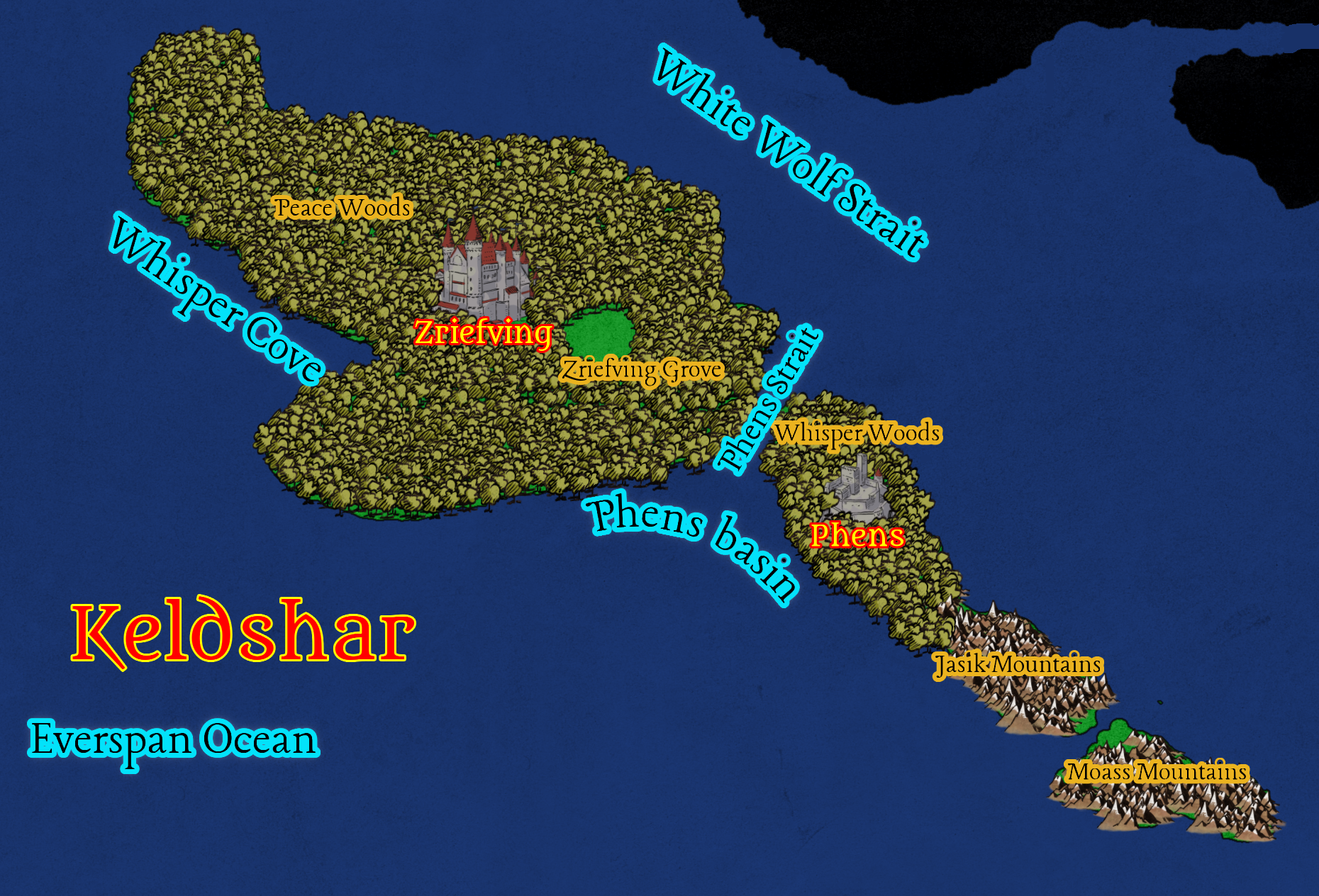
Keldshar's landscape is a stark contrast to the rest of the Wolven kingdoms. While the Wolfen are known for their rugged, mountainous terrains and militaristic cities, Keldshar is characterized by lush forests. The kingdom has only two cities, both modest but deeply significant, serving as hubs of culture, magic, and Kankorian philosophy. Here, the Kankorian continue their way of life, keeping their traditions alive despite the ongoing chaos that has engulfed the larger Wolven territories.
The Cities of Keldshar
Society and Culture of Keldshar
The Kankorian are a peaceful people who live according to a strict code of balance, harmony, and respect for nature. They view themselves as stewards of the world, tasked with maintaining the delicate equilibrium between the physical and magical realms. This philosophy of balance extends to every aspect of their lives, from their use of magic to their relationships with other races. They are non-confrontational by nature and rarely seek conflict, preferring instead to use diplomacy and wisdom to solve problems.
Kankorian society is non-hierarchical but is guided by the Circle of Elders, who lead with wisdom rather than power. In Keldshar, the greatest respect is given to those who show a deep understanding of the natural world and those who dedicate their lives to healing, both physical and spiritual. Magic is seen as a natural extension of the earth, not as a tool for power or control, and Kankorian magic is used primarily for healing, protection, and maintaining balance.
Art, music, and craftsmanship are highly valued, but the focus is always on creating works that honor the beauty of nature. The Kankorian are skilled in crafting instruments from wood, stone, and crystal, creating pieces that resonate with natural energies and serve both artistic and spiritual purposes. Their songs are often sung to honor the seasons, the elements, and the spirits of the land.
The Kankorian's deep connection to nature is reflected in their practices, which include regular communions with the natural spirits, prayers to the earth, and rituals to honor the cycles of the seasons. They do not engage in large-scale warfare, and they despise the idea of conquest. However, they are not defenseless, as the Kankorian are capable of defending their lands with both magic and strategy. Should their kingdom be threatened, they would turn to the natural world, using druidic magic and the forces of the land to protect their people.
The Kankorian are also exceptional healers, known for their ability to mend both physical and spiritual wounds. They use a combination of natural remedies, alchemy, and divine magic to cure ailments and restore balance. The Kankorian healers are highly sought after by other kingdoms, but they remain cautious about forming long-term alliances, preferring to stay neutral and dedicated to their mission of peace.
Keldshar: Trade, Economy, and Influence
Despite its relatively small size and population, Keldshar has carved out a unique place in the world due to its peaceful philosophy, natural resources, and deep connection to magic. As the last remnant of the once-great Wolven kingdoms, Keldshar operates in a distinct way, focusing more on spiritual, magical, and intellectual pursuits than on militaristic expansion or resource-driven exploitation. However, this does not mean that the kingdom is without economic activity or external influence.
Trade and Economy of Keldshar
- Natural Resources and Agriculture: The kingdom's economy is primarily based on its abundant natural resources and the careful stewardship of its land. Keldshar is home to vast forests, fertile plains, and magical ley lines, all of which provide the foundation for its economy.
- Agriculture: The Kankorian people excel in sustainable farming, cultivating a wide variety of crops that thrive in the fertile lands of Keldshar. The land produces herbs, grains, fruits, and vegetables that are integral to the kingdom's survival and are traded with neighboring kingdoms. While agriculture is not the primary focus, it provides the kingdom with sustenance and forms a key part of the local economy.
- Forestry and Woodworking: Due to the vast, enchanted forests surrounding Keldshar, the kingdom has a thriving forestry industry. The Kankorian harvest timber, rare woods, and other natural resources in a sustainable way, ensuring that they do not harm the delicate balance of nature. This timber is highly prized by other kingdoms for its quality and mystical properties, often used in magical construction, weapon crafting, and ceremonial tools.
Magical and Alchemical Products Keldshar is known for its magic and alchemy, and these practices play a significant role in the kingdom's economy. The Kankorian are highly skilled in nature-based magic, healing arts, and the creation of magical objects. As a result, the kingdom produces a variety of magical goods, including:
- Herbal Remedies and Potions: The Kankorian's deep knowledge of plants, minerals, and magical properties allows them to create potent healing potions, elixirs, and tonics that are traded with other kingdoms. These products are highly valued by travelers, healers, and mages across the continent.
- Magical Artifacts: The Kankorian are renowned for their craftsmanship in creating enchanted items such as scrolls, amulets, wands, and crystals that serve both practical and spiritual purposes. These magical items are traded with scholars, adventurers, and mages in other kingdoms.
- Magical Research: The kingdom's libraries, temples, and academies are centers of learning and magical research. Scholars and mages from other lands often seek out Keldshar for its advanced understanding of natural magic, making it a place of intellectual exchange and attracting scholars, alchemists, and practitioners of the arcane.
Limited Trade with Neighboring Kingdoms
Given its peaceful nature and isolationist tendencies, Keldshar has a modest trade network. The kingdom trades primarily with neighboring kingdoms that respect its autonomy and value the goods Keldshar produces. Its trade goods typically include:
- Herbal products, magical goods, and timber.
- Scholarly knowledge and magical teachings, which are sometimes offered as a form of diplomatic exchange or as a way to forge alliances.
- Wooden sculptures and crafts, often infused with magical properties, which serve as both art and functional objects.
Roew and Keldshar have a strained relationship, though both share some common history. Trade with Roew is limited due to political tensions, but Keldshar does occasionally offer its magical expertise or goods in exchange for Roew's military support, ensuring the kingdom's defense against external threats like the Coyle.
Other kingdoms that respect Keldshar's neutrality, such as the Bal'Lordorron kingdom, may engage in limited trade as well, primarily in magical artifacts or alchemical products.
Economic Structure
- Artisan Craftsmanship: The Kankorian are skilled artisans, and their craft is highly valued. From intricate woodworking to finely crafted magical amulets, the artisans of Keldshar are known for their attention to detail and reverence for the natural world. These goods are exchanged as part of Keldshar's diplomatic and trade practices, especially with neighbors who recognize the value of Keldshar's spiritual and magical heritage.
- Spiritual and Intellectual Economy: In Keldshar, the economy is not only based on physical trade but also on spiritual and intellectual exchange. Scholars, mages, and religious figures are often welcomed in Keldshar to study its mystical practices. The kingdom's temples and academies are key places of intellectual exchange, where knowledge of natural magic, divination, healing arts, and spiritual practices are passed down.
- Study and Pilgrimages: Pilgrims often travel to Keldshar to seek spiritual enlightenment, adding to the kingdom's economy through donations and offerings. Many visitors come to Zrieving to consult the Circle of Elders, where wisdom is passed down, contributing to the economic life of the city.
- Currency and Trade System: The economy of Keldshar is not heavily dependent on traditional coinage, especially in its rural areas, where the Kankorian trade goods and services based on barter and mutual cooperation. However, in Zrieving, currency such as silver crowns or golden marks is used for transactions with outsiders, especially during trade exchanges.
Influence and Role in the Region
- Cultural and Magical Influence Although small, Keldshar holds considerable cultural influence in the region due to its advanced knowledge of nature magic and spiritual practices. Keldshar's influence is more intellectual and spiritual than political, making it a respected voice among neighboring kingdoms that seek wisdom and peace.
Mediation and Diplomacy: Keldshar has often served as a neutral ground for diplomatic meetings between warring kingdoms, offering counsel to maintain peace. The kingdom's spiritual leaders, the Circle of Elders, are respected across the continent for their wisdom.
Magical Power: The magical prowess of Keldshar is another source of influence. Scholars, mages, and even kings from other lands have sought the kingdom's guidance, whether it be for healing magic, arcane knowledge, or spiritual rites. This reputation for magical expertise gives Keldshar a diplomatic edge despite its small size.
- Regional Alliances: Though Keldshar avoids most military conflicts, it is an important ally in the region for those kingdoms that value peace, magic, and wisdom. The Kankorian of Keldshar have developed strong relationships with Bal'Lordorron, known for their shared respect for knowledge and magical study. These alliances ensure Keldshar's survival, even if it is often isolated from direct military conflict.
- Potential Threats: Despite its small size and peaceful nature, Keldshar has faced external threats from more militaristic kingdoms, such as Roew and the Coyle-dominated territories. While Keldshar does not seek expansion or conflict, it has had to defend its borders using druidic magic and the natural power of the land, particularly from the Coyle, who often target it as a weak point in the region.
Keldshar's trade and economy are largely shaped by its peaceful nature, intellectual pursuits, and magical prowess. Though it is small, the kingdom's influence extends far beyond its borders, especially in areas of spiritual guidance, magical knowledge, and diplomatic mediation. While the Kankorian continue to guard their way of life, Keldshar remains a respected force for peace, knowledge, and balance in an often turbulent world.
Political Structure
Keldshar's political structure is relatively simple, as the Kankorian people do not adhere to the complex hierarchies common in other kingdoms. Instead, leadership is based on wisdom, merit, and respect for the natural world. The Circle of Elders, a council made up of the oldest and wisest members of the community, serves as the governing body of Keldshar. These Elders are chosen based on their deep understanding of both the natural world and Kankorian philosophy, and they lead through consensus rather than authoritarian rule.
In times of need, the Elder Druids, powerful mystics who draw their strength from nature itself, may assume temporary leadership roles. These druids are revered for their magical abilities and their ability to commune with the natural spirits. Their guidance is considered sacred, and their decisions are often viewed as divine directives by the people.
Religion and Spirituality
The worship of nature and the spirits of the land is at the heart of Keldshar's culture. The Kankorian believe that every living thing has a spirit and that all creatures are interconnected. Their primary deity is Vanyr, the spirit of the forest and the goddess of nature, who is revered in all aspects of Kankorian life. However, the worship of Vanyr is more spiritual and mystical than ritualistic, with no rigid structures or temples. Instead, the Kankorian commune with the earth, paying homage to the spirits in the form of songs, dances, and offerings made to the land.
The Elder Druids, who are the spiritual leaders of the Kankorian, guide the people in their understanding of nature's cycles, the importance of balance, and the role of magic in preserving the world's harmony. They are deeply respected for their wisdom and for their connection to the land's spirit.
Relations with Neighboring Kingdoms
- Roew (The Wolven Kingdom): Roew and Keldshar have a deep, historical bond. Though Roew was once a great empire that included Keldshar as part of its territory, the peaceful and spiritual nature of the Kankorian led them to seek independence. The Wolfen and Kankorian coexisted peacefully for many years, with the Wolfen respecting the Kankorian's connection to nature. However, Roew's expansionist ambitions often put them at odds with the Kankorian, especially as the Wolfen sought more control over the lands that the Kankorian held sacred. After Roew's fall and the rise of Aranor, Keldshar chose to remain neutral, avoiding the wars and political turmoil that consumed their former homeland. The Kankorian respect the Wolfen for their strength but fear the militaristic nature of their leadership. Keldshar's relationship with Roew today is largely one of cautious respect, as the Wolfen view the Kankorian as a peaceful, spiritual people, while the Kankorian see the Wolfen as a reminder of the aggression and war that once threatened their way of life.
- Aranor (The Kingdom of Coyle, Flind, and Gnolls): The relationship between Keldshar and Aranor is strained at best. The chaotic and brutal nature of Aranor's inhabitants, including the Coyle, Flind, and Gnolls, is at odds with the peaceful philosophy of the Kankorian. The Coyle in particular view the Kankorian as weak, a view shared by the more militaristic Flind and Gnolls. These races are typically more focused on conquest and survival through violence, and they see Keldshar's neutral stance as an affront to their more brutal way of life. The Kankorian, however, remain resolute in their commitment to neutrality and peace, often sending emissaries to Aranor to promote understanding and discourage violence. They do not trust the chaotic forces that rule Aranor and avoid direct interaction with the more violent factions. Still, there is occasional trade between Keldshar and Aranor, particularly in medicinal herbs and magical supplies that the Kankorian are known for.
- Other Kingdoms: With its peaceful and neutral stance, Keldshar rarely engages in direct military conflict. They are seen as an oasis of tranquility in a world of war and strife, and many seek out their wisdom, healing, and insight. Though Keldshar avoids alliances, it maintains open trade routes and peaceful relations with most neighboring kingdoms, offering healing, nature-based magic, and diplomatic advice when necessary.
The Future of Keldshar
Keldshar stands as a symbol of peace in a chaotic world. The Kankorian are committed to maintaining their way of life, ensuring that their connection to nature remains unbroken. However, as tensions rise between neighboring kingdoms and the world becomes more unstable, Keldshar may face new challenges. The kingdom's ability to remain neutral will be tested, and it is likely that their wisdom, magic, and strong connection to the land will be key in preserving their peaceful way of life in the face of growing external pressures.
In the coming years, the Kankorian will likely continue to be a guiding light of harmony, offering a sanctuary for those seeking peace, but they will also need to protect their sacred lands and their people from the encroaching darkness of more aggressive forces. Whether they can continue to live in peace or be drawn into the conflicts of the greater world remains to be seen.
Population Breakdown
Total Population of Keldshar: 200,000
- Kankorian: 190,000 (95%)
- Wolven: 5,600 ( 2.8%)
- Coyle: 4,400 (2.2%)
Cities
- Zriefving, Capital of Keldshar: Zriefving, the capital city of Keldshar, is nestled deep within the ancient forest and serves as the spiritual heart of the kingdom. It is a tranquil place where the Kankorians connect with nature, honor their ancestors, and delve into the mysteries of the world. The city is made up of simple wooden homes and open-air temples dedicated to the divine forces of nature. At the core of Zriefving stands the Temple of the Eternal Grove, a sacred site blessed by the spirits of the land. The Great Tree of Zriefving, an ancient and towering oak, is revered as the lifeblood of the city, with its roots entwined in the very foundation of the kingdom. The people of Zriefving live simple lives, working as artisans, healers, and scholars, and are deeply respected for their strong connection to the earth and their mastery of druidic magic, which they use not only for healing but to protect their lands from harm. While the city is a place of peaceful reflection, it is also fortified with strong walls and protective enchantments to safeguard against those who might threaten the kingdom.
- Phens: Phens, the second city of Keldshar, is located on the second island, also within the forest. It differs from Zriefving in that it is a hub of knowledge and study. Scholars, mystics, and magical practitioners gather in Phens to explore the arcane arts and deepen their understanding of the natural world. The city's architecture is in harmony with its surroundings, with buildings crafted from living wood, stone, and vines that grow naturally around the structures. At the heart of Phens is the Academy of Natural Magic, where mages and druids are trained in both magical arts and the philosophy of balance between nature and magic. The city also hosts numerous libraries, study halls, and workshops dedicated to various forms of magical study, including alchemy, divination, and healing. The people of Phens are intellectuals and artisans, committed to studying the world's intricacies. They are particularly skilled in nature-based magic, divination, and herbalism, and it is here that the Kankorians have refined their knowledge of magical healing and the art of living in harmony with the world.