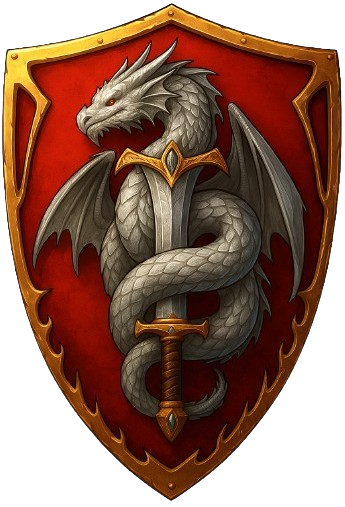
The Kingdom of Kos
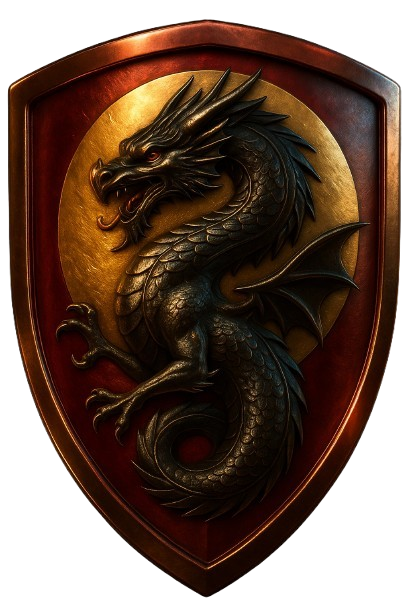
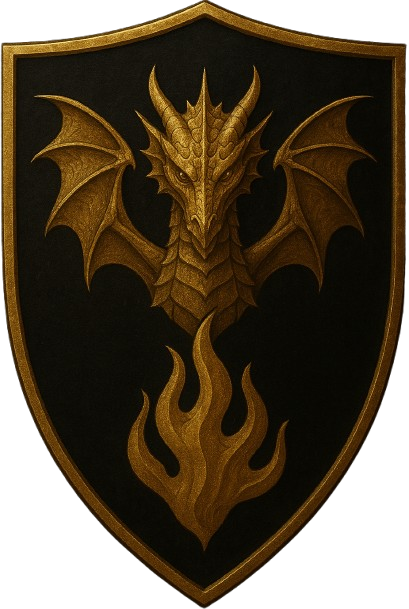
Kos, a vast and powerful kingdom, is located at the heart of the Yeaoshan Continent and is ruled by the might and majesty of the Dragonborn. This kingdom, with its formidable landscapes and expansive territories, is home to a wide range of draconic and non-draconic races, each playing a vital role in the kingdom's success and its complex political and social structure. The Dragonborn stand at the top of the hierarchy, a symbol of unyielding strength, ancient wisdom, and draconic heritage.
Geography
Kos is strategically located along the Yeaoshan Channel, bordered by the Drak'Thul Sea to the south and the Everspan Ocean to the west and north. Its landscape is vast and varied, ranging from mountainous regions in the west, lush jungles in the south, to rugged savannas and arid deserts scattered throughout. The Kingdom of Kos is blessed with abundant resources, fertile lands, and access to both natural and magical elements, making it a region of great wealth and potential. Kos is a Kingdom of stark contrasts, defined by five distinct regions. In the west, the island mountain range of Vekkel. To the north are the fertile plains of the central heartland, leading into the massive Mountain range and jungles in the region also known as Kos, which serves as the Kingdom's agricultural and political center. The lower central area are the plains of Gul`Toer, a windswept landscape of open grassland punctuated by strange, small mountain ranges imbued with raw magic. In the East, the peninsula of Tinu`Las`Fen is a region of dense, ancient forests that press right up to a rugged coastline, defined by a large bay and a chain of wooded islands. Finally, to the south and isolated by a transverse mountain range, the arid steppes of Turzel stretch out, a harsh land of scrub, dust, and rock sustained by a single river and single jungle.
Climate
The climate zones of Kos are as varied as its geography. The heartland of Kos enjoys a temperate climate with four distinct seasons, ideal for agriculture. Vekkel is dominated by a harsh alpine climate, with long, brutal winters of heavy snow and short, cool summers. The coastal forests of Tinu`Las`Fen have a mild, wet maritime climate, characterized by frequent rain, fog, and high humidity year-round. In contrast, Turzel lies in a rain shadow and suffers from a semi-arid steppe climate, with scorching dry summers and cool winters with little precipitation. The plains of Gul`Toer have a temperate climate, but it is highly unpredictable and subject to magical phenomena, such as sudden mists, colored rain, or unnatural winds.
History
The history of Kos is one of settlement and divergence. The ancient dwarves were the first to carve a civilization from the stone of Vekkel, after fleeing the ruins of their ancient kingdom lost to the Evil from the depths. They built their great halls while other races were still young save for the Elves who had settled the mainland of Kos. Humans later spread across the fertile plains of Kos, their numbers swelling and giving rise to the kingdom that dominates today. The forced the Elves to Tinu`Las`Fen. The coming of the Dragonborn rewrote the history of Kos again forcing the Humans to what is now Gul`Toer. Meanwhile, in the isolated south, the nomadic Asterion tribes of Turzel forged a history of survival and freedom, their stories carried across the steppes in song and oral tradition.
Political Structure of Kos
Kos is a land of intricate politics, where power is wielded through both might and craftsmanship. The Dragonborn dominate the political landscape, holding absolute control over all aspects of governance. Their rule is enforced by a complex network of noble houses and military orders, including mercenary groups led by the Asterion and Dragonborn generals.
While the Dragonborn hold power, the human kingdom of Gul'Toer is not without influence. they have representatives on the Draconic Court, and while their votes are often overruled, they maintain a strong presence in the kingdom's affairs. The Asterion, though respected and valued, are not part of the Draconic Court, and instead serve as both protectors and mercenaries, often working outside the bounds of the kingdom's direct politics.
Culture and Religion of Kos
Culture in Kos is a direct reflection of the land. In the Heartland, life revolves around agriculture, commerce, and city-state politics, creating a pragmatic and ambitious society. In Vekkel, dwarven culture is paramount, built on the pillars of clan, craftsmanship, honor, and ancestor worship. The people of Gul`Toer live in harmony with an unpredictable land; their culture is mystical, artistic, and deeply connected to nature and magic. Tinu`Las`Fen is a marriage of sylvan and maritime traditions, a society of shipwrights, sailors, and explorers who are as at home in the forest as they are on the sea. The tribes of Turzel have a fierce and proud nomadic culture that values freedom, resilience, family bonds, and the oral traditions that preserve their heritage.
Kos's culture is deeply entwined with the traditions of the Dragonborn and their draconic heritage. Worship of ancient dragon deities is common among the Dragonborn and their allies, and massive temples and shrines are scattered across the kingdom. The Dragonborn's worship is not just a spiritual practice but a symbol of their unyielding strength and unbreakable will.
The Asterion, on the other hand, maintain their own distinct religious practices, centered around the reverence of their ancestors and their sacred funerary cities. They believe in the eternal cycle of life and death, and their connection to the earth is sacred.
In contrast, humans in Gul'Toer and elves in TinuLasFen follow their own deities and religious traditions. Humans tend to follow a mix of deities, many worshipping both draconic and mortal gods, while the elves maintain their own pantheon, often venerating the Seldarine or deities from their homeland.
Religious belief is diverse and regional. The melting pot of Kos hosts a wide pantheon of gods governing civilization, harvests, and war. The dwarves of Vekkel primarily practice ancestor worship, alongside reverence for deities of the forge and stone, valuing a philosophy of duty and tradition. The inhabitants of Gul`Toer often follow animistic or spiritualist traditions, finding divinity in the magic of the land, the sky, and its fey spirits. The seafaring folk of Tinu`Las`Fen pray to gods of the ocean and spirits of the forest, holding a philosophy of balance between the untamed wild and their own ambition. In Turzel, shamanism and elemental worship (especially of the sun and sky) are common, centering on a philosophy of survival and personal freedom.
Economy
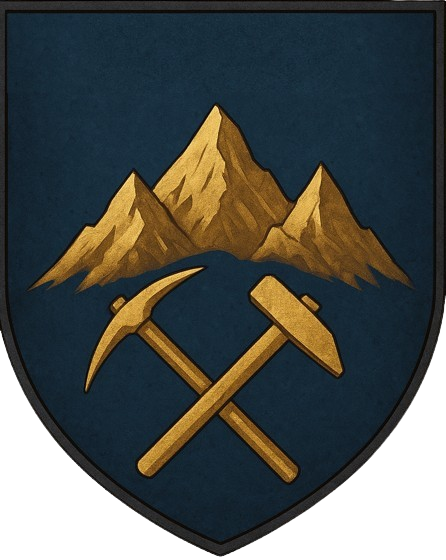
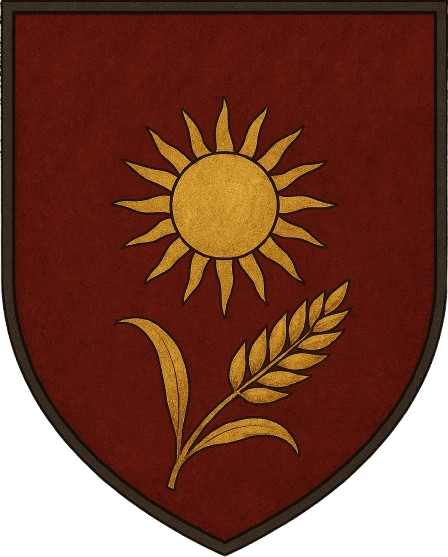
The continental economy is driven by regional specializations. Kos is the breadbasket, producing massive surpluses of grain, livestock, and finished goods, with its cities serving as major trade hubs. Vekkel is the source of nearly all precious metals, gems, and stone, exporting masterwork arms, armor, and jewelry. Tinu`Las`Fen dominates the shipbuilding and lumber industries, with a powerful maritime trade network (and a notorious smuggling economy). The economy of Gul`Toer is more esoteric, based on barter for arcane components, rare herbs, gnomish inventions, and celestial knowledge. Turzel's economy relies on herding, the trade of leather and livestock, and control of its rare oases and trade routes.
Military
Each region's military reflects its geography and culture. The kingdoms of Kos field large, disciplined armies of heavy infantry and cavalry. Vekkel relies on its indomitable, heavily-armored dwarven warriors, who are masters of defensive warfare and siege craft. The forces of Tinu`Las`Fen are naval; their power lies in their massive fleets and skilled marines who excel at ship-to-ship combat. The peoples of Gul`Toer favor guerrilla tactics, utilizing elven skirmishers, fey magic, and gnomish contraptions. The tribes of Turzel are a force of swift and deadly light cavalry, unmatched in raiding and hit-and-run warfare on the open plains.
The Law
In the centralized kingdoms of Kos, justice is administered through codified laws, magistrates, and formal courts. In Vekkel, law is traditional, based on clan honor and binding oaths, with disputes settled by elders. Justice in Gul`Toer is often strange and mystical, bound by ancient pacts with fey and the natural balance of the land. The port cities and ships of Tinu`Las`Fen operate under a mix of rough guild law and strict maritime law, where a captain's word is final. Among the nomads of Turzel, tribal custom and the chief's decree are law, with justice often being swift, personal, and restorative.
The Ruling Power of the Dragonborn
At the pinnacle of Kos's society stands the Dragonborn, a race born from ancient dragons whose bloodlines stretch back millennia. These powerful beings, descendants of draconic progenitors, command unparalleled respect and are both feared and revered for their strength, wisdom, and magical abilities.
The Dragonborn govern the kingdom with an iron fist, commanding loyalty from the dragonoid races and the other inhabitants of Kos. They exercise authority through a council of elder Dragonborn kings, known as the Draconic Court, who make decisions regarding governance, war, and diplomacy. The Dragonborn rule over the kingdom from their majestic cities, with the Draconic Capital at the heart of the kingdom serving as both a political and spiritual center.
Though Dragonborn maintain absolute control, they do not rule alone. The other dragonoid races, such as Eandroth, Troglodytes, Dragonborn, Kobolds, Lizardfolk, and the near-extinct Sar'Rukh, serve them in various capacities. The Dragonborn demand respect and order, and in exchange, they ensure the dragonoid races thrive under their rule.
The Asterion: The Elephantine Allies of the Dragonborn
One of the most fascinating and unique elements of Kos's population is the presence of the Asterion, a race of humanoid elephant-like creatures with a deep connection to both the land and the mystical powers of the world. Native to the far-off island of Turzel, the Asterion have made their way to Kos, where they have forged an uneasy yet vital alliance with the Dragonborn.
The Asterion are known for their immense physical strength, their metallurgy skills, and their deep sense of honor. They are a solitary, often aggressive race, preferring to live in tribal societies and nomadic lifestyles in the wilderness. However, their combat prowess and unmatched craftsmanship make them invaluable to the Dragonborn, who employ them as mercenaries, weaponsmiths, and warriors.
Though their role in Kos is primarily subservient to the Dragonborn, the Asterion retain a sense of pride in their autonomy and cultural practices. They are a fiercely independent race, whose tribal societies honor their ancestors and the natural world, especially their sacred funerary cities, ancient burial sites where they honor their dead in the most solemn of rituals. Non-Asterion entering these sacred grounds is considered an unforgivable offense, punishable by death.
Despite their gruff, solitary nature, the Asterion play a significant role in Kos's economy and military. Their craftsmanship is highly sought after, particularly in the making of weapons, armor, and metal goods. They are highly respected as artisans and warriors, feared for their combat prowess and tactical ingenuity.
The Non-Dragonborn Races of Kos
Kos, however, is not solely populated by Dragonborn and their allies. The kingdom is home to many non-draconic races, including
- Dwarves
Origin: Dwarves settled in Kos long before the arrival of humans. Known for their craftsmanship, particularly in mining and smithing, dwarves are central to Kos's economy and banking system, with House Kundarak playing a major role in finance.
Culture: Dwarves are known for their strong familial and clan ties. They are experts in corporate warfare and use banking and financial systems to achieve their goals rather than relying on open conflict. - Gnomes
Origin: Gnomes are known for their social nature and knack for intrigue. They work behind the scenes in diplomacy and communication, and House Sivis plays a key role in maintaining relationships between the nations of Kos.
Culture: Gnomes love to play games of wit, often engaging in everything from local gossip to high-stakes espionage. Their keen sense of diplomacy and social networking makes them invaluable in Kos's political world. - Goblinoids
Goblins, Hobgoblins, and Bugbears: Once rulers of much of Kos, these races have seen their empire crumble. Today, many serve as mercenaries or laborers in human cities. - Humans, The Kingdom of Gul'Toer
The humans of Kos are the most populous race in the kingdom, though they live primarily in Gul'Toer, a human kingdom that lies on the eastern borders of Kos. The kingdom of Gul'Toer is a melting pot of cultures, and though it is under the overarching control of the Dragonborn, humans retain a degree of self-rule through their monarchs and councils.
Gul'Toer was once an independent kingdom but became a vassal of the Dragonborn following a series of successful military campaigns. The Dragonborn respect the human adaptability and their strategic thinking, which makes them valuable allies in trade, diplomacy, and warfare. Humans in Gul'Toer are skilled artisans, mercenaries, and tacticians, and they play a central role in the kingdom's commerce and military endeavors. - Elves, The Reservation of Tinu`Las`Fen
The elves once the rulers of Kos, now live in Tinu`Las`Fen, a reservation that has become a protectorate of the Elven Kingdom of Arethane. Their territory shrank during the Last War and their eventual subjugation to the Dragonborn. They were driven to the Reservation Today, the elves of Tinu`Las`Fen are a proud and noble people, who live under the protection of Arethane.
The elves in Tinu`Las`Fen are expert craftsmen, wizards, and warriors. Their society is rich with history and tradition, though they are no longer the ruling power on Kos. They have accepted their role in the broader kingdom, though many still dream of reclaiming their autonomy. The elves of TinuLasFen are skilled diplomats, often mediating disputes between the Dragonborn and other races. - Half-Elves (Khoravar)
Origin: The Khoravar, or half-elves, are the product of human and elven unions, especially those involving members of the elven dragonmarked houses.
Kos: A Kingdom in Transition
Kos stands as a kingdom of power, and ancient traditions. It is a land of contrast, where Dragonborn rule with absolute authority, Asterion serve as proud warriors and smiths, and humans and elves continue to carve out their place in a world that is both evolving and struggling with its ancient past.
As the future of Kos unfolds, the role of the Asterion grows ever more important, and the tensions between the races may lead to new alliances or conflicts. The Dragonborn remain supreme, but their grip on the kingdom may soon be tested by the very races they dominate. The Asterion, ever proud and ever strong, may one day seek to claim their own place in the world, perhaps at the side of the Dragonborn, or perhaps, in time, as rulers in their own right.
Population
Total Population: 12,050,000