Faltyr Empire
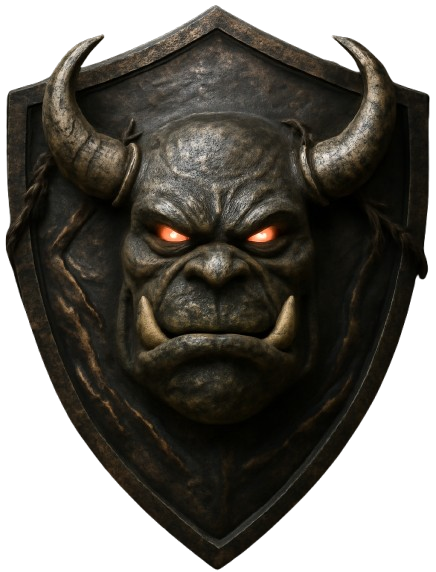
"An ancient troll kingdom, forged in mountains and shadow, that endures by strength, honor, and mystical force."
Provinces
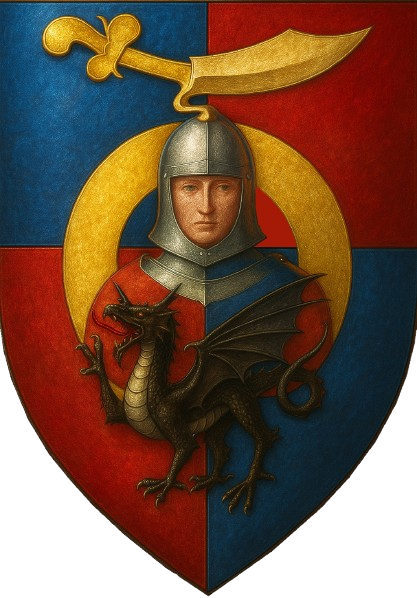 Faltyra 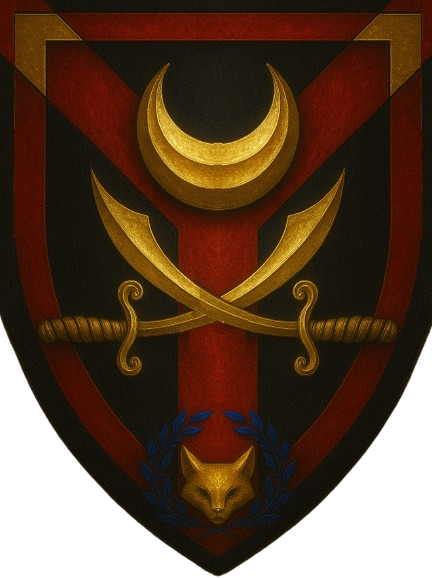 Jholannaer 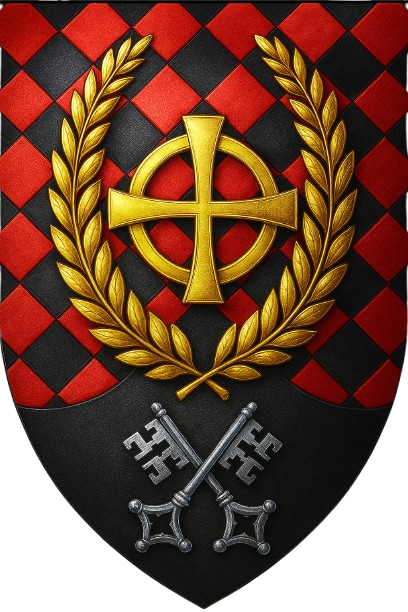 Quaynus 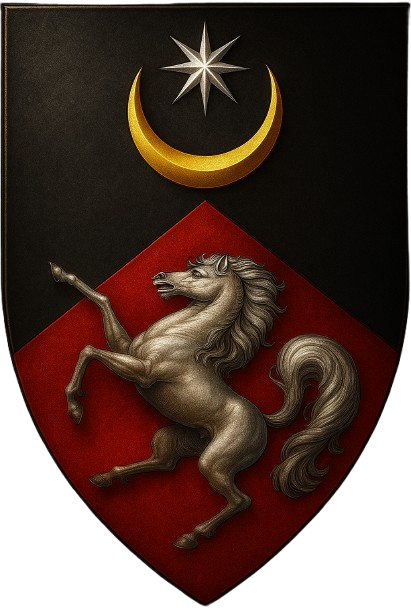 Shay'zrenth 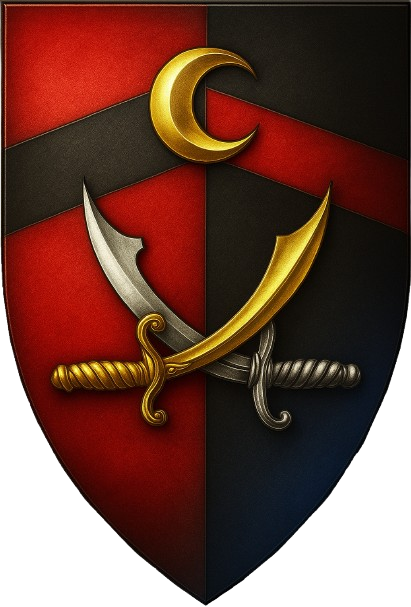 Sha'tar |
Historical Background and Origins of the Faltyr Empire
The Faltyr Empire is a living testament to the power of unity forged through strength, wisdom, and deep spiritual conviction. Its origins trace back to the time of the Aeldar Tribe, an ancient and noble group of trolls known for their unparalleled mastery of both magical and diplomatic arts. The Aeldar Trolls were not just warriors, but visionaries, creators and thinkers who saw beyond the harsh wilderness of the world they inhabited. They were driven by a desire to bring order and knowledge to the fractured, chaotic lands of the trolls, lands that were plagued by infighting and ignorance.
The Rise of the Aeldar Tribe
The Aeldar Trolls were distinct in their ability to combine brute strength with a rare sophistication of mind and spirit. Unlike their more primitive kin, the Aeldar were deeply connected to the forces of magic, especially those rooted in the Dragonwright faith, a religious order devoted to the ancient Dragon gods. This spiritual connection granted them powers and wisdom that were unrivaled among the troll tribes. Their advanced understanding of the arcane allowed them to shape the lands around them, creating great cities and fortresses, some of which remain as bastions of their cultural legacy to this day.
The Aeldar, initially a small tribe nestled in the rugged mountains, began to expand their influence over the other troll factions scattered across the region. The land they sought to unite was inhospitable and wild, made up of towering mountain ranges, vast plains, and harsh deserts. It was a land that would only yield to those with both the will and the might to tame it.
In time, the Aeldar merged with the Mountain Trolls, hardy and resilient beings who had long made the rocky crags their homes, and the Plains Trolls, a nomadic and fierce people who roamed the grasslands in great herds. While the Mountain Trolls were known for their imposing strength and stoic natures, the Plains Trolls were agile and quick, revered for their cavalry and mastery of the open terrain. The Aeldar Tribe brought structure and unity to these disparate tribes, using their diplomatic skills to form alliances, marry into families, and create bonds of loyalty that stretched across the lands.
The Founding of the Empire
The eventual unification of the tribes under the banner of the Aeldar marked the birth of the Faltyr Empire. The Aeldar were no longer just a tribe but a ruling dynasty. They established their capital, Vhashkent, at the confluence of major rivers, surrounded by high mountains and fertile plains. This location was strategically chosen for its natural defenses and its role as a cultural crossroads for all the trolls of the empire.
Vhashkent became a symbol of the new empire, a city of towering spires and majestic buildings, where ancient traditions coexisted with new innovations. The blending of cultures was seen in the grand architecture, the fusion of mountain and plains styles, and in the diverse practices of magic and art. The city was also a place of learning, with academies dedicated to preserving the history of the trolls and exploring new avenues of magical and scientific discovery.
At the heart of the empire's rise was the Dragonwright faith, a religion that revered the Dragon gods, ancient, powerful beings believed to embody the very forces of nature and existence. The faith became the backbone of Faltyr society, guiding everything from governance to military strategy. The Emperor, or Dragath, was seen as both a political and spiritual leader, believed to be the living avatar of the Dragon gods on the mortal plane. This divine connection granted the Faltyr rulers a sense of unshakable authority, which allowed them to maintain control over such a diverse and expansive empire.
The Expansion and Assimilation of Tribes
As the Faltyr Empire grew, it continued to expand both through military conquest and peaceful assimilation. The Mountain Trolls were brought under the Faltyr banner through force, their martial prowess making them invaluable to the empire. These trolls, with their great strength and skill in war, were instrumental in securing the borders of the empire and ensuring the continued dominance of the Faltyr.
The Plains Trolls, on the other hand, were initially more resistant to the Faltyr influence, preferring their nomadic ways and independent traditions. However, through a combination of diplomacy, marriage alliances, and trade, the Plains Trolls were eventually brought into the fold. Their swift cavalry and knowledge of the vast plains allowed the Faltyr Empire to extend its reach far beyond its mountain strongholds, transforming the empire into a sprawling and multi-faceted entity that controlled vast swathes of both open land and rugged, harsh terrain.
Each of these diverse troll groups brought their own unique traditions and cultural practices to the empire, which were carefully preserved while being integrated into the broader Faltyr identity. This inclusivity made the empire stronger, as it blended the strength and endurance of the Mountain Trolls, the speed and cunning of the Plains Trolls, and the magical and cultural sophistication of the Aeldar.
Cultural and Societal Evolution
Over time, the Faltyr Empire became a beacon of wealth, knowledge, and spiritual devotion. The empire's leaders encouraged learning, artistic expression, and scientific research, leading to an era of unparalleled cultural growth. Scholars and magicians flocked to the capital, Vhashkent, to study at the great libraries and academies, where knowledge was revered as much as power.
The Dragonwright faith played a crucial role in shaping the empire's institutions. The faith was woven into the very fabric of daily life, its rituals performed in every home, its priests serving as spiritual guides, and its teachings influencing the empire's laws and politics. The practice of Dragon Rituals, sacred ceremonies designed to honor the Dragon gods and invoke their blessings, became an integral part of every major event in the empire, from royal coronations to military victories.
The military of the Faltyr Empire, though born from the fierce traditions of the Mountain and Plains Trolls, is a highly organized and disciplined force. Each troll within the empire is trained from a young age in combat and strategy, ensuring that the Faltyr army was formidable and well-coordinated. This powerful military, combined with the empire's strategic location and vast wealth, makes the Faltyr one of the most powerful forces in the known world.
The Faltyr Legacy
Today, the Faltyr Empire stands as a dominant power, its influence felt across the world. Its capital, Vhashkent, continues to be a cultural and political hub, with its spires and towers reaching towards the heavens. The empire is a land of wealth, magic, and spiritual devotion, where the Dragonwright faith continues to guide its people. However, the power of the Faltyr Empire is not without its challenges, its ever-expanding borders are a constant source of tension, and there are those within the empire who question the role of magic and the Dragon gods in shaping the future.
Yet, the Aeldar legacy endures. The teachings of the ancient tribe, the blending of diverse troll cultures, and the unbreakable bond with the Dragonwright faith continue to define the Faltyr Empire as it moves into the future. It remains a place where magic and might coexist, where ancient traditions meet new innovations, and where the power of unity is celebrated above all else.
Geography and Provinces of the Faltyr Empire
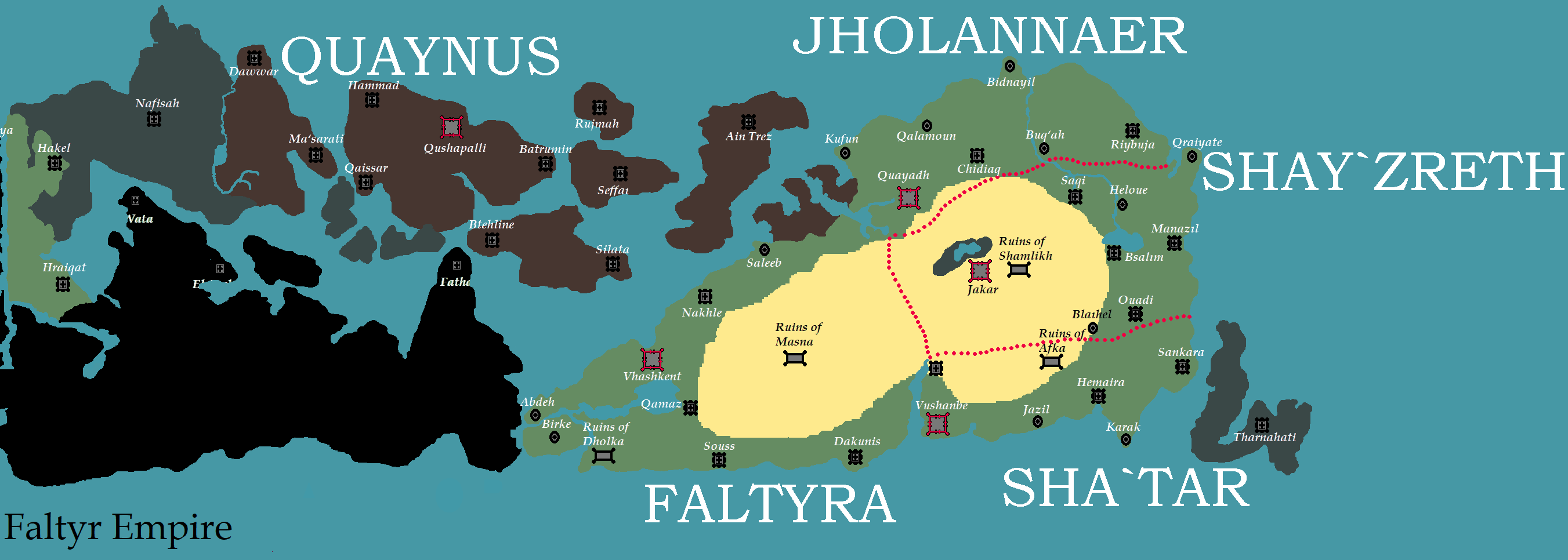
The Faltyr Empire is a vast and diverse realm, with terrains ranging from towering mountain ranges to endless plains and expansive deserts. Each province is unique, offering a variety of cultures, economies, and ways of life that have evolved to suit the land's natural characteristics. The empire's heart lies in the unification of these diverse regions, each contributing to the empire's strength, wisdom, and spiritual devotion. Below are the detailed descriptions of the five major provinces of the Faltyr Empire.
- Mountain Province of Quaynus
Terrain: The rugged Quaynus province consists of six mountain-ranged islands, with steep cliffs, towering peaks, and deep valleys. Three of these islands are densely forested, while the remaining islands contain medium-sized plains interspersed with rocky outcroppings. The harsh, rugged terrain is home to the fierce Mountain Trolls who thrive in this challenging environment.
Inhabitants: Primarily Mountain Trolls, with some influence from the Plains Trolls who have settled within the province. The Mountain Trolls are known for their physical strength, warrior traditions, and deep spiritual ties to the Dragonwright faith, which shapes their worldview and practices.
Culture: The Mountain Trolls are deeply connected to fire, stone, and wisdom. Their culture emphasizes warrior traditions, craftsmanship in stone and metal, and a reverence for the Dragon gods. Ancient practices are integrated with their practical survival skills, making them both formidable warriors and skilled artisans.
Architecture: Grand fortresses, massive stone temples, and intricate stone-carved cities define the architecture of the Mountain Province. These structures blend seamlessly into the natural landscape, utilizing the mountain stone to create fortifications and places of worship.
Key Features: The provincial capital, Qushapalli, is a military and religious center with incredible fortifications and sacred temples dedicated to the Dragonwright faith. The city is strategically placed at the highest peak, symbolizing the connection between the Mountain Trolls and their gods. - Plains Province of Jholannaer
Terrain: The Plains Province of Jholannaer is defined by expansive grasslands and a narrow strip of desert at its western edge. The province is characterized by open, fertile plains ideal for grazing and nomadic life, but also possesses patches of sand-dune desert where nomadic tribes thrive.
Inhabitants: The Plains Trolls dominate this region, living in harmony with the land's seasonal rhythms. Influenced by nomadic desert tribes, these trolls are expert traders and survivalists.
Culture: The Plains Trolls' lifestyle revolves around trade caravans, nomadic herding, and desert survival. Spirituality is deeply embedded in their way of life, with a particular reverence for the dragons as guardians of the desert. These trolls also possess an acute understanding of the desert's harsh beauty and the importance of community and exchange.
Architecture: The Plains Trolls live in tent-based cities designed for mobility and protection from the elements. Ornate caravans are used for trade, and sandstone palaces built in the desert reflect the fusion of function and comfort.
Key Features: The capital city of Jholannaer, Quayadh, is a bustling trade hub that sits at the intersection of important trade routes. It is a cultural melting pot, where the fusion of various troll cultures has created a vibrant, diverse atmosphere. - Desert Province of Shay`Zreth
Terrain: The Shay`Zreth province is a vast expanse of sand dunes, scattered with oases and ancient ruins that speak of forgotten civilizations. The constant interplay of sand, stone, and ancient wisdom makes it one of the most mystical regions in the empire.
Inhabitants: The province is home to a mix of Plains Trolls and nomadic tribes who have adapted to the harsh desert environment. These trolls are both skilled survivalists and traders who thrive in the inhospitable climate.
Culture: The desert trolls are a deeply spiritual people, with an understanding of the desert's cycles and the Dragon gods. They believe that fire and earth are manifestations of divine influence and have an oral tradition rich in storytelling and spiritual magic. These trolls view the ruins of past civilizations as both a mystery and a warning.
Architecture: The sandstone structures of Shay`Zreth are designed to blend into the landscape, often built to be easily dismantled and relocated due to the nomadic lifestyle of the people. Leather tents serve as homes and trading posts, while ancient ruins dot the province, hinting at the once-great civilizations that fell to the desert's unforgiving hand.
Key Features: Ancient ruins that were once the heart of a powerful empire, Shamlikh is now a sacred site where ancient power lies dormant. It is believed to be a place of immense spiritual energy. The capital city, Jakar, is located at the Jakar Oasis, a vital water source that makes this area a crucial stop on trade routes. The oasis is surrounded by sacred temples and markets, thriving as a cultural and commercial center. - Desert Province of Sha`Tar
Terrain: The Sha`Tar province is made up of vast sand dunes, dry wastelands, and the remnants of ancient civilizations, with one large forested island providing a contrast to the desert's starkness. The land is barren in many places but dotted with fertile regions and ruins of once-great empires.
Inhabitants: Much like Shay`Zreth, Plains Trolls and nomadic desert tribes are the primary inhabitants. These people live in harmony with the land, using their knowledge of the environment to survive and thrive.
Culture: The culture of ShaTar mirrors that of ShayZreth, but with a deeper emphasis on spirituality, trade, and survival. The desert trolls of Sha`Tar also believe that the dragons guard the desert from the dangers beyond, and they practice ritual magic to honor the elemental forces of fire and earth.
Architecture: Sandstone structures and leather tents dominate the landscape, offering both protection and flexibility for the nomadic lifestyle. The ruins of Afka, an ancient site of power, lie scattered across the land, providing both a source of mystery and dangerous knowledge.
Key Features: The Ruins of Afka, a city of untold history, are said to be haunted by ancient spirits. Those brave enough to explore its forgotten halls may uncover untapped knowledge of the ancient past. On the Island of Tharn, the fortified city of Tharnahati is renowned for its shipbuilding prowess. The city's harbor is one of the most strategic in the empire, facilitating trade with distant lands. - Desert Province of Faltyra
Terrain: The Faltyra province is a vast desert bordered by plains, with stretches of sand dunes and scattered ruins. The landscape is harsh, but it is also rich with history and the ruins of ancient cultures that once thrived here.
Inhabitants: As with the other desert provinces, Plains Trolls and nomadic tribes call this land home. These trolls are deeply connected to the desert and the Dragonwright faith, with their spirituality and trade practices shaped by the harsh realities of the environment.
Culture: Faltyra's culture is centered around survival, trade, and spirituality. The desert trolls are skilled in storytelling and ritual magic, believing that the dragons protect them from the desert's many dangers.
Architecture: Sandstone structures and leather tents dot the province, and ancient ruins are found across the region, remnants of lost civilizations that once ruled here.
Key Features: Masna and Dholka: Ancient ruins of Masna and Dholka were once centers of power and knowledge, these sites are considered sacred by the desert trolls. Many believe that secrets to the Dragon gods' powers lie hidden in these ruins. The capital city of the Faltyr Empire, Vhashkent is a great city of wealth and religious devotion. It serves as the political and spiritual heart of the empire, where the Dragonwright faith influences every aspect of life.
Each of these provinces represents a unique facet of the Faltyr Empire, from the warrior traditions of the mountains to the nomadic desert lifestyles and ancient ruins of the deserts. Together, they form a powerful and diverse empire held together by the unifying influence of the Dragonwright faith and the enduring strength of the troll tribes.
Cultural Synthesis: The Aeldar Trolls and the Dragonwright Faith
The Aeldar Tribe played a pivotal role in shaping the Faltyr Empire's identity, not only through their contributions to the empire's governance but also through their introduction of the Dragonwright faith, a spiritual and cultural cornerstone of the realm. The Aeldar Trolls, who arrived in the empire long before the other troll tribes, were able to synthesize their ancient traditions with the local cultures, forming a powerful and unified society that reveres the dragons as divine protectors and symbols of different facets of existence.The Dragonwright Faith: Core of the Faltyr Empire
At its heart, the Dragonwright faith revolves around the worship of dragons, which are seen as embodiments of life's most vital forces: strength, wisdom, fire, and protection. The faith is structured around the belief that dragons are not merely mythical creatures but living gods whose spiritual influence shapes the land and its people.
Each province within the empire venerates a different aspect of the dragons, tying local customs, rituals, and societal norms to the specific qualities that the people believe these dragons represent.
Mountain Trolls, who have long been associated with fortitude, toughness, and power, revere the dragons of strength and fire. Their spiritual practice revolves around invoking the dragons to imbue them with courage, endurance, and mastery over the element of fire, symbols of both their martial prowess and their unyielding resilience in the face of hardship. Plains Trolls hold deep reverence for dragons of wisdom and protection, viewing them as guardians of the harsh desert. For the Plains Trolls, the dragons are not only symbols of strength but also of survival. They believe that the dragons guide them in understanding the mysteries of the desert, providing insights into how to navigate its dangers and how to adapt to an ever-changing environment. In this province, the spiritual connection to the dragons focuses on maintaining balance and harmony with the land, ensuring survival through knowledge.
The Dragonwright faith is not a static religion but one that adapts to each region's culture and geography, making it a highly flexible belief system that unites the various troll tribes under a common banner. It teaches that, by aligning oneself with the principles of the dragons, an individual can find greater purpose and fulfillment in life.
Education and Knowledge: The Pillars of Wisdom
The Faltyr Empire places an immense value on education and the pursuit of knowledge, especially as it pertains to the Dragonwright faith and the mystical powers of dragons. As the empire continues to grow and evolve, it has become a beacon of learning for both scholars and religious leaders alike.
The capital city of Faltyr, which houses one of the largest academies in the known world, is the center of this intellectual growth. Scholars from across the empire and beyond come to Vhashkent, the capital, to study ancient Dragonwright texts, uncover new knowledge about arcane magic, and research the spiritual significance of dragons. The city is home to vast libraries containing ancient scrolls, religious manuscripts, and texts that detail the history of the dragons, their physical and mystical attributes, and the teachings passed down by the Aeldar Tribe.
Within the academy, priests, sorcerers, and philosophers work together to decipher the mystical nature of dragons and their influence on the world. This wealth of magical knowledge is passed down from one generation to the next, ensuring the continued growth and prosperity of the Faltyr Empire, as well as its deep spiritual connection to the dragons.
The Dragonwright faith itself is intricately linked with arcane knowledge, especially when it comes to the casting of powerful, ritualistic spells. The teachings of the Aeldar, with their advanced understanding of magic, serve as the foundation for much of the empire's magical education. Scholars study dragon rituals, elemental magic, and the use of dragon-inspired runes to enhance their spellcasting abilities. Over time, this knowledge has cultivated a society where magic and learning are valued just as highly as physical strength.
Art and Architecture: A Fusion of Styles
The cultural synthesis brought about by the Aeldar Tribe is also reflected in the art and architecture of the Faltyr Empire. The Aeldar Trolls, renowned for their fine metalworking, calligraphy, and artistic abilities, heavily influenced the design of both the Mountain Trolls and Plains Trolls. Through their guidance, these two cultures developed artistic traditions that seamlessly blended with their environment, making their cities and temples magnificent embodiments of both practicality and beauty.
Architecture in the Faltyr Empire is a perfect fusion of mountain craftsmanship and desert elegance. Grand temples dedicated to the dragons stand alongside fortresses carved from stone, while sandstone palaces rise in the desert provinces, reflecting a design that can withstand both extreme heat and the shifting sands of time. The influence of the Aeldar Tribe is evident in the intricate stone carvings and mosaics that adorn these buildings, depicting dragons in various forms, each representing a different aspect of the divine.
Statues of the dragons can be found in every major city and sacred site, often towering over the people as symbols of protection and guidance. The Aeldar's fine metalworking can be seen in these statues as well, with many of them cast in gold or silver and embedded with precious gemstones. The influence of dragon imagery is also present in everyday items such as jewelry, weapons, and ceremonial attire, with the symbols of fire, strength, and wisdom engraved into the design.
Art in the empire is deeply symbolic, often depicting dragons in majestic poses, engaging in battles with rival creatures, or watching over the land with an all-seeing gaze. Mosaics and wall paintings can be found in temples, palaces, and even in the homes of the wealthier citizens. These artistic forms are more than mere decoration; they are a reflection of the people's devotion to the dragons and their spiritual beliefs.
Calligraphy and writing also play a key role in the empire's cultural expression. Sacred texts are often transcribed in Aeldar script, an elegant form of writing that is used in the holy scrolls of the Dragonwright faith. The Aeldar are credited with developing the written word as a form of recording historical events, religious doctrine, and magical incantations.
The Aeldar Legacy: A Lasting Influence
The influence of the Aeldar Tribe on the Faltyr Empire cannot be overstated. Their introduction of the Dragonwright faith was a transformative event in the history of the empire, shaping its religious, artistic, and intellectual traditions. The fusion of the Aeldar's sophisticated magical practices and the practical survival skills of the Mountain and Plains Trolls created a harmonious balance between strength, wisdom, and spirituality.
The legacy of the Aeldar continues to define the Faltyr Empire in every aspect of life, from art and architecture to education and religion. It is through the blending of these distinct troll cultures that the empire stands as a unified and powerful force, guided by the divine presence of the dragons and the ancient wisdom passed down by the Aeldar Tribe.
Political Structure of the Faltyr Empire
The Faltyr Empire operates under a monarchical system where power flows from a central figure, the Emperor, down through a hierarchy of regional rulers and noble houses. This system is deeply intertwined with the Dragonwright faith, and the Emperor's authority is both political and spiritual, as they are seen as the living embodiment of the dragons. The political structure of the Faltyr Empire ensures a balance of power that integrates military might, religious devotion, and noble lineage.
- The Emperor, The Living Avatar of Dragons: At the top of the political hierarchy stands the Emperor, the supreme ruler of the Faltyr Empire. The Emperor holds absolute authority and is considered to be the living embodiment of the dragons, the gods of the Dragonwright faith. This divine connection grants the Emperor not only political legitimacy but also spiritual power over the entire empire.
- Role and Responsibilities of the Emperor:
- Embodiment of Divine Will: The Emperor is believed to be chosen by the dragons themselves, and their decisions are considered to reflect the will of the gods. This divine mandate is what gives the Emperor supreme authority over the empire's governance, military actions, and religious practices.
- Maintaining Peace: One of the Emperor's primary duties is to ensure the stability of the empire. This includes resolving conflicts between provinces, managing alliances, and overseeing the internal administration to prevent uprisings and civil war.
- Guardian of the Dragonwright Faith: The Emperor also plays a key role in preserving and promoting the Dragonwright faith across the empire. The faith influences every aspect of life, from governance to daily rituals, and the Emperor is the highest-ranking religious authority. They oversee the major temples and rituals, ensuring that the Dragon gods are venerated and that their teachings are upheld.
- Military Commander: While the Chieftains govern their respective provinces, the Emperor holds ultimate military authority, calling upon the Imperial Armies and noble house forces when needed to protect the empire's borders or to enforce the will of the Dragonwright faith.
- Succession and the Royal Bloodline: The Emperor is chosen from the royal bloodline, often a direct descendant of the first Aeldar rulers. Succession is typically determined by birthright, though the Emperor's wisdom and spiritual connection to the dragons are also critical factors in determining who ascends to the throne. There are sometimes internal struggles within the royal family over succession, but the dragons' will is believed to guide the outcome.
- Role and Responsibilities of the Emperor:
- Chieftains: Governors of the Provinces: Beneath the Emperor, the empire is divided into Provinces, each ruled by a Chieftain. These Chieftains govern their territories with significant autonomy, overseeing everything from military defense to resource management. However, they are still subordinate to the Emperor and are expected to answer to the central authority, particularly when it comes to matters of war, diplomacy, and the Dragonwright faith.
- Role and Responsibilities of the Chieftains:
- Regional Governance: Chieftains maintain control over their province's military forces, administration, and resources. They are responsible for ensuring that the day-to-day operations of their regions run smoothly and that their people remain loyal to the Empire.
- Defense and Law: Chieftains are also responsible for the defense of their provinces, particularly when it comes to handling internal conflicts or external threats. They enforce the laws of the Empire, maintaining order and stability within their borders.
- Religious Leadership: While the Emperor is the highest religious authority, the Chieftains also serve as local spiritual leaders. Each Chieftain oversees the worship of the dragons within their province, ensuring that the Dragonwright faith is respected and practiced by their people. Their connection to the dragons often manifests in personal totems or rituals that are specific to the aspect of the dragon they revere.
- Answerable to the Emperor: While Chieftains have considerable local power, they must ultimately answer to the Emperor in matters of imperial policy and religious doctrine. Should a Chieftain defy the Emperor's will, they risk losing their position or facing military retribution.
- The Chieftains' Power Base: The power of the Chieftains is often bolstered by their control over local militias, temples, and trade networks. They maintain private armies and strongholds, which they can use to enforce their rule. The noble houses within each province also lend support to the Chieftains, as their own power and wealth are tied to the success and stability of the local government.
- Role and Responsibilities of the Chieftains:
- Noble Houses, The Pillars of Power: The noble houses of the Faltyr Empire are powerful entities that control specific regions and maintain considerable influence over the empire's political, military, and economic affairs. Each noble house is closely tied to a particular aspect of the dragons and is known for their unique contributions to the empire's culture, military, and faith.
- Role and Responsibilities of Noble Houses:
- Military Strength: Noble houses often maintain private armies that protect their lands and serve the Emperor when called upon. These forces are well-trained and are integral to the defense of the empire, especially in times of war. Noble houses can also offer mercenary forces to the empire in exchange for political favors or strategic advantages.
- Religious Influence: Each noble house is associated with a specific aspect of the Dragonwright faith. Their worship, rituals, and religious practices reflect their connection to the dragons, and their power is often derived from their spiritual bonds. For example, a house associated with the Dragon of Strength may control military matters, while a house associated with the Dragon of Wisdom may dominate academic and religious affairs.
- Economic Power: Noble houses also control the flow of trade, resources, and wealth within their territories. They own vast lands, mines, and trade routes, making them critical to the prosperity of the empire. House leaders often establish trade networks with foreign lands to further strengthen their economic power and influence.
- Political Alliances: Noble houses form intricate political alliances with each other, often through marriage, mutual defense pacts, or economic partnerships. These alliances ensure their survival and growth within the empire, as each house tries to increase its influence and gain favor with the Emperor.
- Hierarchy Within Noble Houses: Each noble house is led by a patriarch or matriarch, often the eldest living member of the family, who holds final say in all matters of governance and decision-making within the house. Below the patriarch or matriarch are various members of the house, including lords, ladies, and heirs. The heirs are often trained in both governance and martial prowess to prepare them for leadership roles in the future.
- Role and Responsibilities of Noble Houses:
- The Empire in Action: How the Political System Works: The political system of the Faltyr Empire is a dynamic and evolving entity where power is balanced between the Emperor, Chieftains, and Noble Houses. The Emperor, though absolute in authority, must consider the needs and desires of the Chieftains and Noble Houses to maintain order and ensure the empire's prosperity.
- Diplomacy and Military Command: The Emperor's role in managing alliances and warfare is crucial. Chieftains provide the military strength to enforce the Emperor's will, and the Noble Houses supply resources and troops when called upon. Together, they form a unified military front capable of maintaining the empire's security.
- Internal Politics and Power Struggles: While the Emperor holds ultimate power, the relationship between Noble Houses and Chieftains can sometimes be contentious. Power struggles, marriage alliances, and betrayals are common as each house and chieftain vies for more influence, especially when succession or imperial favor is at stake.
The Faltyr Empire is a finely tuned political machine where power is centralized under the Emperor, but the empire's strength relies heavily on the cooperation and loyalty of its regional rulers and noble families. Through a combination of divine authority, military might, and political strategy, the Faltyr Empire maintains its position as a dominant force in the known world.
Military Structure of the Faltyr Empire
The Faltyr military is a powerful and disciplined force, drawing on the unique strengths of the Mountain Trolls, Plains Trolls, and the magical powers of the Dragonwright faith. The empire's military prowess is not solely built on brute strength but combines elite training, strategic genius, and spiritual devotion to the dragons. The Faltyr military has a clear hierarchical structure, with specialized units, powerful warbeasts, and elite warriors who represent the strength and the faith of the empire.
- The Imperial Guard, Elite Warriors of the Faltyr Empire: The Imperial Guard is the most prestigious and elite unit within the Faltyr military. Composed of the finest warriors from all the provinces, the Guard represents the pinnacle of combat training, discipline, and the fusion of martial prowess with dragon magic.
- Role and Composition:
- Trained in Traditional Combat and Magic: The Imperial Guard is renowned for its ability to blend traditional martial combat with the magical arts derived from the Dragonwright faith. Warriors within the Guard are trained not only in the use of weapons and tactics but also in the wielding of dragon magic—spells that are passed down through the ancient rituals of the Dragonwright faith.
- Dragon-Infused Armor and Weapons: One of the most distinctive features of the Imperial Guard is their dragon-infused armor and weapons. These magical armaments are crafted by the finest blacksmiths and enchanters in the empire, using materials believed to have been touched by the dragons themselves. Their armors are both lightweight and incredibly durable, capable of withstanding the harshest blows while offering magical protection against elemental forces, especially fire and magic. Their weapons, typically swords, spears, and axes, are laced with dragon runes that enhance their effectiveness in battle, allowing them to deal devastating blows to both physical and magical foes.
- Sacred Warriors: The warriors of the Imperial Guard are considered sacred—chosen not only for their physical strength and prowess but also for their spiritual connection to the dragons. They undergo rituals that bind them to the dragons' power, enhancing their abilities and making them formidable both on and off the battlefield. The Emperor personally selects the members of the Guard, ensuring that they are worthy of this sacred duty.
- Key Duties:
- Protecting the Emperor: As the Emperor's personal force, the Imperial Guard is tasked with protecting the Emperor and his family at all costs. They are present in every royal procession, every temple, and during all critical political events.
- Enforcing Imperial Will: The Guard also serves as enforcers of the Emperor's will, acting as an elite force to quell uprisings or enforce laws when necessary. Their presence is a symbol of the Emperor's unyielding control over the empire.
- Leading Campaigns: The Imperial Guard often leads the charge in battle, spearheading military campaigns and acting as the front-line soldiers during major conflicts. Their magical prowess, combined with their combat skills, makes them an indomitable force.
- Role and Composition:
- Warbeasts, Sacred and Fearsome Combatants: The Faltyr military makes extensive use of warbeasts, which are highly trained creatures used for both combat and spiritual rituals. These beasts are considered sacred, with each one believed to be blessed by the dragons and imbued with a fragment of their divine power. Warbeasts are integral to the empire's military strategy, often employed to wreak havoc on the battlefield, inspire fear in the enemy, and carry out essential tasks.
- Types of Warbeasts:
- Raptors: Large, predatory birds of prey that are trained for speed and agility in battle. Raptors are particularly effective in hit-and-run tactics, swooping down on enemy lines to disrupt formations and create chaos. Their talons are capable of rending armor and flesh, and their ability to fly makes them difficult to combat. Raptors are often used in reconnaissance missions and to harry enemy supply lines.
- Tigers: These fierce, powerful creatures are revered for their strength and agility. Tigers are used in shock assaults, charging through enemy ranks with unmatched ferocity. Their muscular builds and sharp claws make them devastating in close combat, while their speed allows them to quickly adapt to changing battle conditions. Tigers are also used as mounts for the elite Tiger Riders, a specialized cavalry unit that strikes fear into the hearts of the empire's enemies.
- Dragons: The most sacred and formidable of all the warbeasts, dragons are the ultimate weapon of the Faltyr military. These majestic creatures are revered as both divine beings and living embodiments of the gods. They are often used in battle to decimate enemy forces with their firebreathing abilities and immense size. The dragons of the empire are highly intelligent, able to communicate with their riders through telepathic bonds, and they play a central role in rituals that honor the Dragonwright faith. Only the most skilled dragon riders are entrusted with the task of commanding these mighty creatures in battle.
- Sacred Role in Rituals: The warbeasts, especially the dragons, hold great spiritual significance in the empire. Each warbeast is believed to be a manifestation of the Dragon gods, and their involvement in battle is seen as a form of divine intervention. The Faltyr military views their warbeasts as blessed and often performs sacred rituals before battles to ensure the creatures' protection and strength.
- Types of Warbeasts:
- Cavalry, Rhino Riders of the Faltyr Empire: The cavalry of the Faltyr military is one of the most feared forces in the world, primarily composed of Rhino Riders, elite soldiers who ride into battle on massive rhinos, creatures known for their formidable size, strength, and endurance. The Rhino Riders are the backbone of the Faltyr cavalry and are integral to both offensive and defensive operations.
- Role and Tactics:
- Shock Troops: Rhino Riders are often deployed in shock tactics, charging through enemy lines with incredible force. The sheer weight and momentum of the rhinos, combined with the devastating strength of their riders, can break even the most well-prepared formations.
- Speed and Power: Although rhinos are not as fast as lighter cavalry mounts, their thick hides and resilience make them ideal for enduring heavy combat. The riders use long spears or maces to strike from horseback, while their rhinos trample anything in their path.
- Strategic Positioning: Rhino Riders are used for flanking maneuvers, breaking the enemy's line of defense and forcing them into disarray. The overwhelming power of a Rhino Rider charge can shatter an enemy's morale and create opportunities for the rest of the army to exploit weaknesses.
- Ritual and Reverence: Like the warbeasts, the Rhino Riders are viewed as sacred warriors, and their mounts are considered divine creatures blessed by the Dragon gods. The Rhino Riders undergo special ceremonies before each battle, invoking the blessings of the dragons to ensure victory and the safety of their mounts.
- Role and Tactics:
- Integration of Magic in the Military: The Faltyr military is uniquely strengthened by the influence of dragon magic, which is a core part of the Dragonwright faith. Spellcasters, often priests, warlocks, or mages who serve within the military, use dragon magic to enhance the strength and abilities of their warriors, warbeasts, and cavalry.
- Battle Magic: Dragon magic is employed on the battlefield to support the army in several ways, including enhancing the power of weapons, summoning firestorms, and shielding units from magical attacks. Dragon runes are inscribed on the armor and weapons of the warriors to increase their potency, and ritual spells are cast to invoke the blessings of the dragons during combat.
- Dragon Priests: The Dragon Priests are specialized spellcasters who serve as both spiritual leaders and military tacticians. They draw on the elemental power of the dragons to cast destructive spells or healing magic to support the troops during battle.
The Faltyr military is a fearsome force, driven by a blend of brute strength, strategic brilliance, and dragon magic. Its elite warriors, powerful warbeasts, and specialized cavalry are the cornerstone of the empire's dominance, ensuring that it remains a force to be reckoned with. The combination of martial prowess and divine connection to the dragons makes the Faltyr military not only a powerful fighting force but a living symbol of the empire's strength and the unbreakable bond between the people of Faltyr and their dragon gods.
Economy and Trade of the Faltyr Empire
The Faltyr Empire is a powerful economic force, leveraging its vast geography, strategic trade routes, and a rich history of craftsmanship to dominate trade across the region. From the towering peaks of the Mountain Province to the endless stretches of the Plains Province and the harsh expanses of the Desert Provinces, the empire controls some of the most important trade routes and resources in the known world. The economy thrives on a mix of resource extraction, luxury goods, and skilled craftsmanship, all of which contribute to its wealth and influence in global commerce.
- Strategic Trade Routes and Geographical Advantages: The Faltyr Empire sits at a crossroads of several key regions, allowing it to control critical trade routes that pass through its mountain passes, plains, and deserts. These trade routes are vital for both the empire's internal economy and its ability to trade with neighboring realms.
Key Trade Routes:- Mountain Passes of Quaynus: The mountainous provinces of the empire are known for their difficult terrain, but these passes are also home to vital trade routes that link the empire to the far northern kingdoms and the eastern deserts. These routes facilitate the transport of precious metals, stone, and artifacts from the mountains, as well as luxury goods such as spices and fine textiles to other regions.
- Desert Caravan Routes: The Plains Trolls and desert traders dominate the caravan routes that traverse the arid Desert Provinces. These routes allow the Faltyr Empire to trade valuable goods like silks, gemstones, and pottery with neighboring empires and distant kingdoms, including the southern realms and desert cities to the east.
- River and Coastal Routes: The Faltyr Empire's coastal provinces and major rivers are key arteries for waterborne trade. These routes connect the empire to distant maritime powers, facilitating the exchange of luxury items, artifacts, and cultural exchange.
- Major Exports: Goods of Desire and Value: The Faltyr Empire is known for its production of high-value luxury goods and resource-rich commodities that are highly sought after in both local and international markets. The empire's extensive natural resources, combined with the exceptional skills of its craftsmen and artisans, make it a dominant player in global commerce.
Key Export Goods:- Spices: The desert and plains regions of the Faltyr Empire are home to unique and highly prized spices that are used for cooking, medicine, and ritual purposes. The Desert Provinces provide rare and exotic spices, including saffron, cinnamon, and dragonblood herbs, which are considered to have magical properties. These spices are traded throughout the empire and across borders, making them a key export.
- Silks and Textiles: The Plains Trolls specialize in the creation of luxurious textiles, including silks, fine fabrics, and ceremonial cloths. These goods are highly valued for their vibrant colors, intricate patterns, and superior quality. The silk produced in the empire is considered one of the finest in the known world, with many foreign merchants vying for these prized fabrics.
- Gemstones and Precious Metals: The Mountain Province is rich in gemstones, precious metals, and rare minerals. The Troll miners extract valuable gems, including diamonds, rubies, and sapphires, as well as metals like gold, silver, and mithril. These resources are highly sought after for crafting jewelry, weapons, and magical items. The empire's stoneworking skills also allow for the creation of intricate jewelry that incorporates these gemstones.
- Weapons and Artifacts: The Faltyr Empire is known for its superior craftsmanship in the creation of weapons, armor, and magical artifacts. Dragon-infused weapons, in particular, are highly sought after. These weapons are crafted using techniques passed down from the Aeldar Tribe and imbued with magical properties that are said to carry the blessings of the dragons. Artifacts created through the combination of magic and craftsmanship are highly coveted by collectors, scholars, and wealthy patrons.
- Craftsmanship: Mastery in Stonework, Metalworking, and Textiles
The Faltyr Empire's economy is underpinned by its renowned craftsmanship, which is divided along regional lines, each province specializing in certain trades. The Mountain Trolls are known for their skill in stonework and metalworking, while the Plains Trolls excel in the creation of luxurious textiles and ceremonial objects.
- Mountain Troll Craftsmanship:
- Stonework and Fortresses: The Mountain Trolls are unmatched in their ability to carve fortresses, temples, and city structures directly into the rocky mountains. These massive stone creations are both practical and awe-inspiring, designed to withstand the harshest conditions while serving as symbols of endurance and strength. Their stonecraft extends to the creation of statues and monuments, often of dragons and heroes, which are revered by the people of the empire.
- Metalworking and Weaponry: Mountain Trolls are master metalworkers, renowned for crafting weapons and armor that are both functional and beautiful. They have perfected the creation of dragon-infused swords, spears, and axes that are imprinted with powerful runes. These weapons are prized for their durability and magical properties. Additionally, their skill in forging allows them to produce intricate jewelry and decorative objects made from gold, silver, and mithril.
- Plains Troll Craftsmanship:
- Luxurious Textiles and Silks: The Plains Trolls are skilled weavers and textile artisans, creating elaborate tapestries, silks, and ceremonial garments that are highly prized across the empire and beyond. Their textiles are often dyed in vibrant colors and decorated with dragon motifs and symbolic patterns. The silk produced in the plains is considered the finest in the world and is often used in royal garments, religious attire, and wedding garments.
- Ceremonial Artifacts: The Plains Trolls specialize in the creation of ceremonial items, such as sacred artifacts, ritual tools, and offerings for the Dragonwright faith. These objects are used in the dragon rituals that are performed throughout the empire. From dragon statuettes to sacred incense burners, the Plains Trolls infuse these items with both artistic beauty and spiritual significance.
- Trade Networks and Diplomatic Ties: The Faltyr Empire's wealth is not only derived from its resource extraction and craftsmanship, but also from its strategic position as a hub for global trade. The empire has established a network of diplomatic ties with neighboring kingdoms, facilitating the flow of luxury goods, artifacts, and magical items.
- Trade Alliances: The Faltyr Empire has formed alliances with several neighboring realms, including desert kingdoms, forest realms, and mountainous regions, through which it exports its silk, gemstones, weapons, and spices. In exchange, the empire imports rare magical components, exotic foods, and advanced technologies.
- Mercantile Influence: The empire's noble houses and merchant guilds maintain complex trade networks across the known world, with trading posts and marketplaces established in distant lands. These networks allow the empire to not only trade goods but also to project its influence and maintain political leverage over its allies and rivals.
- Mountain Troll Craftsmanship:
The Faltyr Empire boasts a prosperous and diversified economy, driven by its vast natural resources, exceptional craftsmanship, and strategic control of important trade routes. The empire's dominance in luxury goods, resources, and magical artifacts has made it a powerful economic force, capable of influencing global trade and politics. The combination of resource extraction, skilled craftsmanship, and spiritual devotion ensures that the Faltyr Empire remains a wealthy and powerful nation for centuries to come.
Enemies and Alliances of the Faltyr Empire
The Faltyr Empire is a dominant power that commands respect and fear throughout the known world. However, like any powerful empire, it has made numerous enemies and rival factions that challenge its supremacy. At the same time, the empire has also cultivated strong alliances, often built upon shared religious beliefs and mutual interests. These alliances bolster its political, military, and economic strength, while the empire's rivals constantly test its boundaries and stability.
- Alliances: Dragonkind, Elven Realms, and Demonic Factions: The Faltyr Empire has forged strategic and spiritual alliances with several key factions that support its vision of a world bound by the Dragonwright faith. These alliances are not just political; they are deeply rooted in shared religious reverence for the Dragon gods, which unite the Faltyr with their allies across the continents.
>Allied Factions:- Dragonkind: Perhaps the most important and spiritually significant alliance the Faltyr Empire has forged is with the dragons themselves. The dragons are revered as both divine beings and protectors of the empire, granting the Faltyr military their immense power. This alliance is symbiotic; the empire offers ritual sacrifices, temples, and honor to the dragons, while the dragons provide their guidance, magical abilities, and even fight in battle when called upon. Dragonlords, those few rare individuals who are bound by blood to dragons, often serve as advisors, war leaders, and generals within the empire.
- Elven Realms: The Elven Kingdoms share a long-standing and mutually beneficial alliance with the Faltyr Empire. This bond is founded on both shared spiritual beliefs (specifically, the Dragonwright faith) and the necessity of maintaining balance in the world. The Elves, especially those in the kingdoms of Arethane, have recognized the Faltyr Empire as a powerful partner in ensuring the stability of the region. While their cultures differ, the Elves view the Dragonwright faith as a powerful force for unity and strength, aligning with the Faltyr's vision of a world where dragons are honored and revered. The alliance with the Elves has provided the Faltyr Empire with vital magical knowledge, trade routes, and strategic military support when necessary.
- Demonic Factions: Though unorthodox, the Faltyr Empire has formed an alliance with certain demonic factions that share an interest in the Dragonwright faith. These factions, often seen as a dark and mysterious force, respect the dragons' power and view the Faltyr Empire as a means to achieve their own agendas. These demonic entities provide the empire with access to arcane knowledge, dark magic, and supernatural power that strengthens the Faltyr's control over its territories. While the alliance is often fraught with mistrust and secrecy, it remains beneficial for both sides. Demons, in exchange for their loyalty and aid, gain influence over the empire's occult and magical practices.
- Rivals: Hostile Tribes and Kingdoms: Despite its power, the Faltyr Empire faces constant threats from rival factions that reject its religious ideology, challenge its territorial control, and seek to undermine its influence. These rivals are often motivated by ideological opposition to the Dragonwright faith or by a desire for domination over key regions and trade routes.
Major Rivals:- Kingdom of Valigor: The Kingdom of Valigor stands as the most prominent rival to the Faltyr Empire. Situated to the south, Valigor is a human kingdom with a deeply rooted animosity toward the Dragonwright faith. The Valigorans view the dragons as false gods and reject any notion of worshiping them. This ideological divide has led to numerous conflicts between the two powers, with Valigor consistently trying to disrupt the empire's influence and challenge its control over key trade routes. The Valigorans have supported rebellions and insurrection within the empire, hoping to weaken the Faltyr's grip on power.
- Military Threats: The Kingdom of Valigor is not only a political rival but also a military threat. Valigor's armies are formidable, and its leaders often seek to exploit the empire's weaknesses by forming alliances with other powers that are hostile to the Faltyr Empire. Though Valigor lacks the dragon magic and religious fervor of the Faltyr, its military strategy and united front pose a significant challenge to the empire's borders.
- Hostile Tribes of the Deserts: In addition to the Kingdom of Valigor, the Faltyr Empire faces constant threats from nomadic desert tribes that reject the empire's authority and its Dragonwright religion. These tribes, often fiercely independent and proud, view the empire as an oppressor and a foreign force that seeks to impose its will on their ancestral lands. They frequently raid the empire's Desert Provinces and resist the influence of dragon-worshiping cultures. These tribes are skilled in desert survival, hit-and-run tactics, and often utilize ambushes to harass the Faltyr military. Many of these tribes view the dragons as dangerous invaders and see the Faltyr Empire as a spiritual and political threat to their way of life.
- The Darkspawn Tribes: Darkspawn are a collection of barbaric tribes that dwell on the outskirts of the empire's northern borders. These tribes, though disorganized, are led by powerful shamans who call upon dark magic to empower their warriors. The Darkspawn reject both the Dragonwright faith and the empire's centralized rule, preferring a more primitive and tribal society. They regularly raid Faltyr settlements along the northern frontier and are often a thorn in the side of the empire's military forces. Although less organized than the Valigorans, their resistance to the empire's expansion has caused significant disruption over the years.
- The Cultural and Ideological Divide: The Heart of Rivalries: The rivalry between the Faltyr Empire and its enemies is often not just political or military, but cultural and ideological as well. The Dragonwright faith forms the core of the Faltyr Empire's identity, and those who reject the faith, such as the Kingdom of Valigor and the nomadic desert tribes, often view the Faltyr as a threat to their cultural heritage.
- The Faith Divide: The Faltyr Empire sees its divine mission as spreading the worship of the dragons to all corners of the world, while its rivals see the dragons as false gods. This religious conflict creates deep animosity, fueling wars, betrayals, and resistance movements. The Dragonwright faith is not just a religion but a unifying force for the Faltyr Empire, binding the people together across provinces and cultures. Its enemies, by rejecting this faith, reject the very foundation of the empire.
- Cultural Supremacy: The Faltyr Empire views itself as the custodian of dragonkind, believing that it has been chosen by the dragons to lead the world into an era of prosperity and enlightenment. However, those who oppose the empire, such as the Kingdom of Valigor, see the Faltyr as culturally imperialistic, attempting to force their religion, way of life, and beliefs on others.
The Faltyr Empire stands as one of the most influential and powerful forces in the world, but its supremacy is continually challenged by rivals who reject its ideological and religious tenets. These enemies, from the Kingdom of Valigor to the nomadic tribes and the Darkspawn, present a constant threat to the empire's territorial integrity and cultural unity. Despite these challenges, the empire has forged powerful alliances with dragonkind, elven realms, and demonic factions, which have helped it maintain its dominance and influence across the known world. Through a combination of religious devotion, military strength, and political savvy, the Faltyr Empire continues to stand tall in the face of both external and internal threats, holding fast to its vision of a world under the protection and guidance of the dragons.
Law in the Faltyr Empire
The Faltyr Empire operates under a strict and comprehensive legal system that is deeply intertwined with its religious beliefs, particularly the Dragonwright faith. The laws of the empire serve to uphold both the spiritual and political structures, ensuring the stability of the realm and the continuity of the empire's sacred duty to the Dragon gods. The legal system is hierarchical, with different levels of authority depending on the location and nature of the dispute, but always with a strong emphasis on loyalty to the Emperor and the dragons.
- The Foundation of Law: The Dragonwright Doctrine: At the heart of the Faltyr Empire's laws lies the Dragonwright Doctrine, a spiritual and legal framework that places the dragons as the ultimate arbiters of right and wrong. The Dragonwright faith dictates that dragonkind embodies the divine will and that the Emperor, as the living embodiment of a dragon, is the supreme ruler and enforcer of the law.
- Key Principles:
- Divine Right: The Emperor is seen as the chosen of the dragons, and his decrees are considered sacred and divinely inspired. His word is law, and to challenge his authority is to challenge the gods themselves.
- Dragonkind as Lawgivers: Dragons, particularly the Dragon Priests and Dragonlords, hold the role of spiritual judges and enforcers of divine law. They interpret the will of the dragons and ensure that the empire's laws align with dragon teachings. Dragon Priests often preside over important legal matters, ensuring that justice is dispensed in accordance with divine will.
- Balance and Order: The core of the Dragonwright doctrine emphasizes the maintenance of order, balance, and strength in all aspects of life. The dragons are seen as protectors of balance, and the laws of the empire are designed to preserve harmony between the people, the land, and the gods.
- Structure of the Legal System: The Faltyr Empire's legal system is structured around several levels of authority, each with its own responsibilities and jurisdictions. The Emperor is the ultimate source of legal authority, but much of the empire's day-to-day legal work is handled by various officials, priests, and military officers who ensure the implementation of the law at local, provincial, and national levels.
- Levels of Legal Authority:
- The Emperor's Law: The Emperor holds the highest legal authority. As the embodiment of the Dragonwright faith, his decrees are absolute and enforceable throughout the empire. The Emperor's edict is law, and it is rare for anyone to challenge or defy it openly.
- The Imperial Council: The Imperial Council, consisting of high-ranking officials, noble houses, and Dragon Priests, often assists the Emperor in matters of law, particularly on complex legal cases that involve the provinces or external threats. The Council advises the Emperor on matters of national importance, ensuring that the law remains aligned with both divine will and political strategy.
- Provincial Law: Each of the empire's provinces is governed by a Chieftain, who enforces the laws in their territory. The Chieftains are charged with upholding the Emperor's edicts, but they also have the authority to enact provincial laws and customs, provided they do not conflict with the overarching laws of the empire. Provincial courts are presided over by local judges or priests, and they handle most legal matters, including civil disputes, criminal cases, and property issues.
- Dragon Priests and Local Justice: Dragon Priests play a vital role in local law enforcement, especially in religious matters or cases involving the Dragonwright faith. They often act as mediators in disputes, especially when there is a question of spiritual or moral law. In some cases, Dragon Priests are the final authority on legal matters, especially in cases involving the dragons or violations of the faith.
- Military Law: The Faltyr military maintains its own system of law, known as military justice, to govern soldiers and resolve disputes within the ranks. Military tribunals oversee legal matters related to desertion, treason, cowardice, and insubordination, with harsh punishments often meted out for those found guilty of violating military codes. The Imperial Guard, composed of the most elite warriors, is held to an even higher standard of conduct.
- Religious Law: Religious law is deeply integrated with the secular law of the empire. The Dragon Priests, in particular, act as moral authorities and are tasked with interpreting both divine law and secular law in a way that reflects the will of the dragons. Violating religious codes, such as failing to honor the dragons properly or committing acts deemed blasphemous, can result in both spiritual and legal punishments. In extreme cases, those found guilty of heresy or dragon worship violations may face execution or be cast out from society.
- Types of Crimes and Punishments: Crimes in the Faltyr Empire are categorized based on their severity, with spiritual violations and political treason often carrying the harshest penalties. The Dragonwright faith dictates much of the moral and legal structure, with certain offenses seen as direct offenses against the gods.
- Major Crimes:
- Treason Against the Empire: Treason is one of the most severe crimes in the Faltyr Empire. Those who plot against the Emperor, the dragon gods, or the empire itself face execution or eternal exile. Military figures found guilty of treason are often executed by dragonfire or thrown into sacred pits to be devoured by beasts.
- Blasphemy: Any offense against the Dragonwright faith is considered a grave offense. Blasphemous speech, desecrating dragon shrines, or denouncing the gods are punishable by public execution or sacrificial rites. The Dragon Priests enforce these laws rigorously, as they see their duty as ensuring that the dragons' will is followed and honored.
- Desertion and Cowardice: Desertion, especially during a military campaign, is a severe crime, as it undermines the strength and unity of the empire. Cowardice in battle or failure to uphold the honor of the Imperial Guard is punishable by execution or public disgrace. Soldiers found guilty may be burned alive or stripped of rank and dignity.
- Murder and Theft: While murder and theft are considered grave offenses, they are not as severe as crimes against the faith or empire. Murderers may face imprisonment, exile, or death by execution. Thieves can be punished by amputation, forced labor, or execution, depending on the severity of the crime.
- Sacrilege and Defiling Sacred Sites: Defiling a dragon temple, sacred grounds, or religious artifacts is considered one of the most severe crimes. Offenders may be burned alive, cast into the deepest pits, or subjected to ritual punishment by the Dragon Priests.
- Minor Crimes and Punishments:
- Public Disobedience: Minor disobedience, such as failing to attend a religious ceremony or disrespecting the Dragon Priests, may result in public flogging, forced penance, or imprisonment for a short period.
- Debts and Dishonor: Those who fail to meet their financial obligations or dishonor their family name may be shunned or disowned, though this is often viewed as more of a social punishment than a legal one.
- The Role of the Dragon Priests in Law: The Dragon Priests play a key role in the administration of law within the Faltyr Empire. Their influence extends beyond spiritual matters, and they serve as judges in many legal cases, particularly those that involve spiritual or moral questions. They also act as enforcers of the law, ensuring that the Dragonwright faith remains the central guiding force of the empire.
Responsibilities of Dragon Priests:- Legal Adjudication: The Dragon Priests preside over religious courts and spiritual matters, deciding disputes involving faith, ritual, and worship.
- Moral Authority: They ensure that the laws of the empire are in accordance with the Dragonwright faith, providing guidance on issues of moral and ethical conduct.
- Spiritual Punishment: In cases of religious offenses, the Dragon Priests often oversee the punishment of offenders, which can include exorcisms, ritual sacrifices, or penance to restore the balance between the offender and the gods.
- Major Crimes:
The legal system of the Faltyr Empire is deeply intertwined with the Dragonwright faith and is designed to uphold the divine order established by the dragons. The empire's laws are strict and unforgiving, with harsh punishments for those who defy the Emperor or violate the tenets of the faith. The combination of secular law, spiritual law, and the ever-present influence of Dragon Priests ensures that the empire remains stable, unified, and under the protection of the dragons.